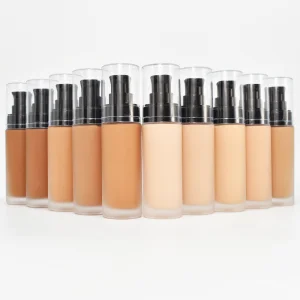
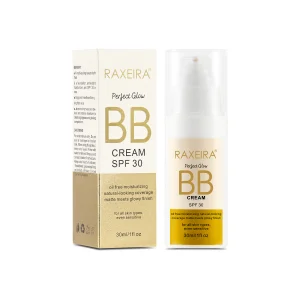
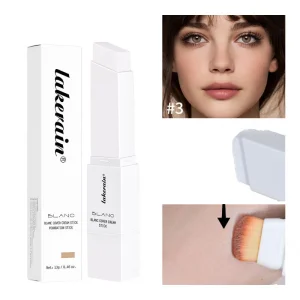
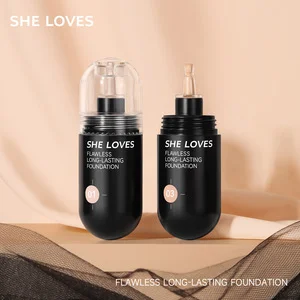
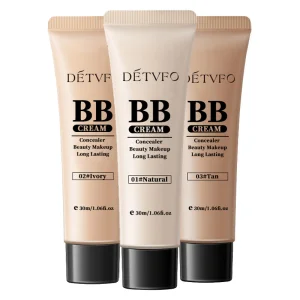
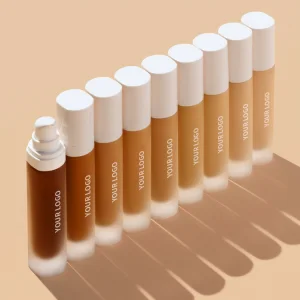
Featured High-Performance Base Cosmetics
Explore our top-tier private label formulations. Engineered to combine long-wear base coverage with clinical skin-nourishing active ingredients.
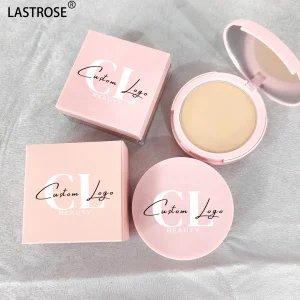
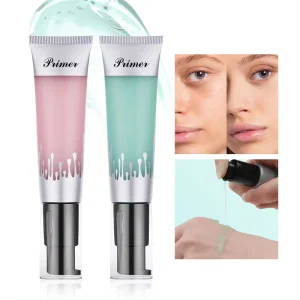
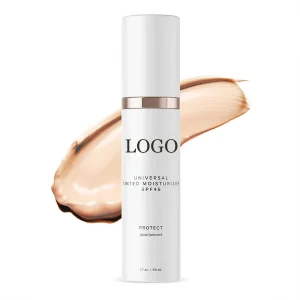
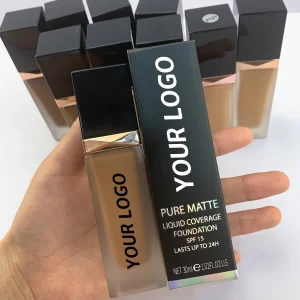
1. The Evolution of BB Cosmetics & Strategic Global Sourcing Trends
The global base cosmetics market is undergoing a seismic paradigm shift. The boundaries dividing skincare and color makeup have dissolved. Modern consumers no longer view base products like BB creams, tinted moisturizers, and liquid foundations solely as tools for surface masking. Instead, they demand highly advanced "hybrid cosmetics". These products must deliver impeccable, breathable aesthetic coverage while simultaneously functioning as active dermatological treatments that target hydration, oil regulation, barrier repair, and photoprotection (SPF/Blue Light mitigation).
According to recent global cosmetics market analysis, the demand for BB and CC formulations engineered with active ingredients (such as Niacinamide, Centella Asiatica, Hyaluronic Acid, and non-nano Zinc Oxide) is growing at a compound annual growth rate (CAGR) of over 8.5%. Brands that successfully navigate this shift stand to capture a loyal demographic. However, the formulate-to-market path requires highly specialized expertise. Sourcing partners must not only deliver visual consistency but also guarantee ingredient stability, complex multi-phase emulsification, and reliable regulatory compliance across multiple territories.
2. Meeting Global Sourcing Demands: Compliance, Inclusivity & Clean Beauty
For international buyers, distributors, and indie cosmetics brands, raw product performance is only half the equation. The modern regulatory landscape is incredibly strict. Exporting cosmetic products to major markets requires adherence to highly specific chemical and labeling laws:
- North American Market: Compliance with US FDA guidelines and the newly enacted Modernization of Cosmetics Regulation Act (MoCRA), along with California Proposition 65 regulations (prohibiting listed heavy metals, phthalates, and parabens). BB creams containing SPF are categorized as Over-The-Counter (OTC) drugs in the United States, requiring manufacturing facilities to hold valid FDA registrations.
- European & UK Markets: Compliance with Regulation (EC) No 1223/2009 and UK Cosmetics Regulation, demanding comprehensive Product Information Files (PIF), safety assessments by qualified toxicologists, and full compliance with REACH legislation governing chemical safety.
- Global Skin Inclusivity: Adapting to diverse global markets means formulating across the entire Fitzpatrick scale. Traditional "one-shade-fits-all" BB creams are obsolete. Sourcing partners must offer advanced pigment dispersion technology to prevent ashiness or oxidation in dark skin tones.
To address these challenges, leading Chinese cosmetic manufacturing companies have shifted from basic assembly to advanced formulation engineering. By investing in dedicated compliance departments and state-of-the-art testing equipment, top suppliers now provide turn-key regulatory support—delivering safety assessments, MSDS sheets, and certified ingredient tracing lists alongside raw bulk production.
3. China Factory 4.0: Supply Chain Resilience and Advanced Automation
The stereotype of Chinese manufacturing as a low-cost, manual assembly process is long outdated. Today, China's cosmetics industry operates on the cutting edge of Factory 4.0 standards. High levels of automation, real-time batch monitoring, and localized supply chains create unparalleled production speed and cost-to-quality ratios.
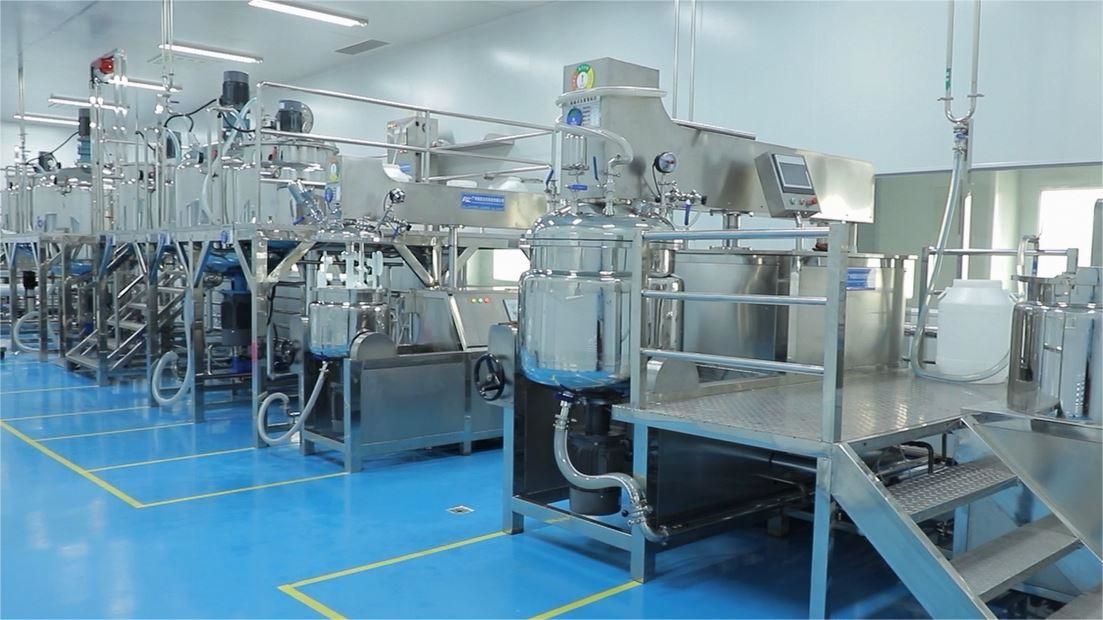
By clustering raw material suppliers, packaging manufacturers, and logistics hubs within specialized industrial zones (particularly in Guangdong and Zhejiang provinces), Chinese cosmetic factories minimize transportation delays and raw material volatility. Highly automated emulsification systems, computer-controlled weighing setups, and high-speed robotic packaging lines allow factories to scale production rapidly. Whether managing small-batch runs for indie brand launches or millions of units for global retailers, these facilities maintain high efficiency without sacrificing precision.
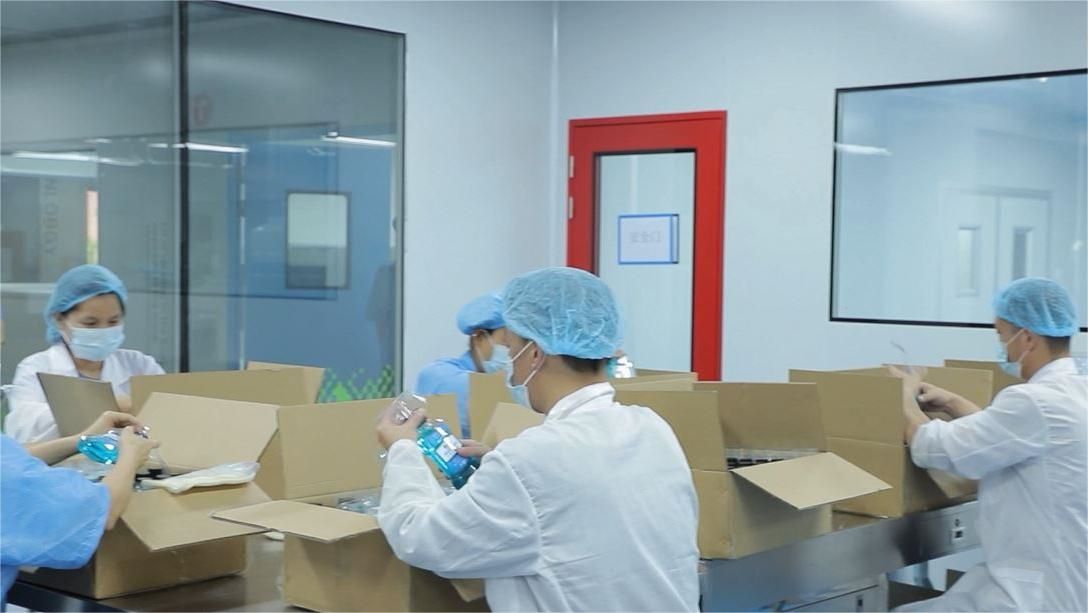
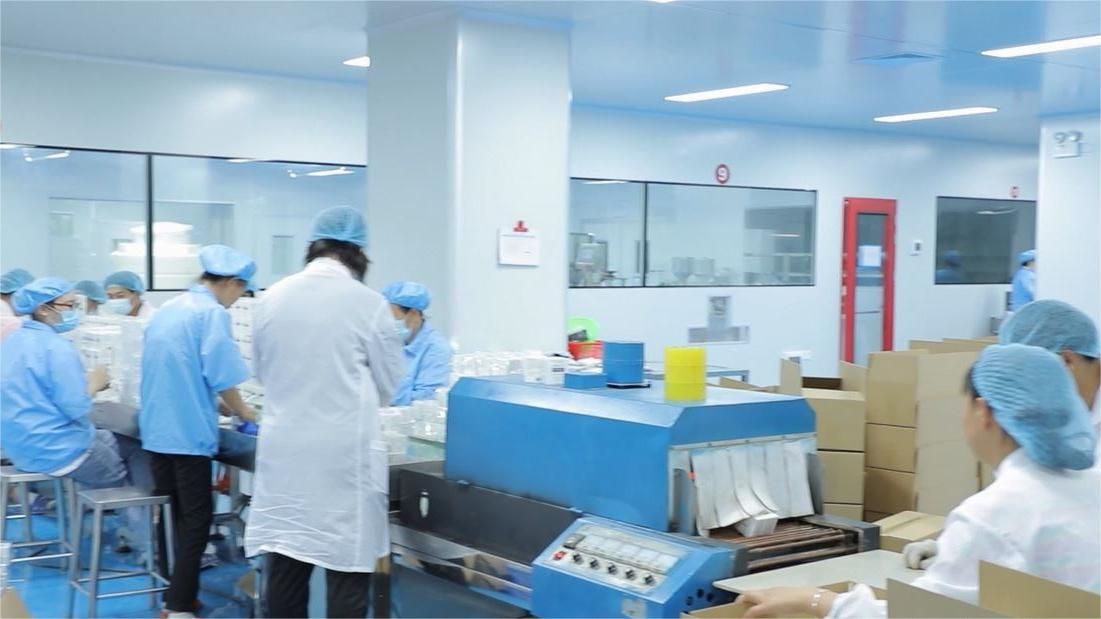
Furthermore, this infrastructure is built with rigorous quality controls. Standardized Cleanrooms (Class 100,000 / ISO 8 environments) minimize contamination risks, while automated vision systems inspect printing, labeling, and filling volumes on the assembly line in real time. This ensures that safety, consistency, and compliance remain intact, even during rapid production ramp-ups.
4. Shenzhen TPL Beauty Co., Ltd.: A Legacy of Manufacturing Excellence
Founded in 2009, Shenzhen TPL Beauty Co., Ltd. has established itself as a professional, full-service private label cosmetics manufacturer. The company specializes in the research, development, production, and customization of high-quality color cosmetics for global beauty brands, distributors, retailers, and e-commerce enterprises.
TPL Beauty's product portfolio covers a wide range of makeup categories, including eyeshadow palettes, lipsticks, lip glosses, liquid lipsticks, foundations, concealers, blushes, highlighters, bronzers, mascaras, eyeliners, eyebrow products, setting powders, and other innovative beauty solutions. From initial concept development and custom formulation design to structural packaging customization and mass production, the company provides comprehensive, turn-key OEM/ODM services tailored to meet diverse market demands.
With years of experience serving clients across North America, Europe, the Middle East, Southeast Asia, and other international markets, TPL Beauty maintains a deep understanding of global cosmetic regulations and quality standards. All formulations can be engineered to comply with international requirements, including EU Cosmetic Regulations, REACH, FDA guidelines, and California Proposition 65. The company provides complete documentation support, including product testing reports, safety assessments, MSDS, ingredient documentation, and regulatory filing assistance.
The manufacturing facility operates under strict quality management systems and is fully certified with GMPc and ISO 22716 standards. Every stage of production, from raw material sourcing to finished product inspection, is carefully monitored to ensure consistent quality, safety, and performance.
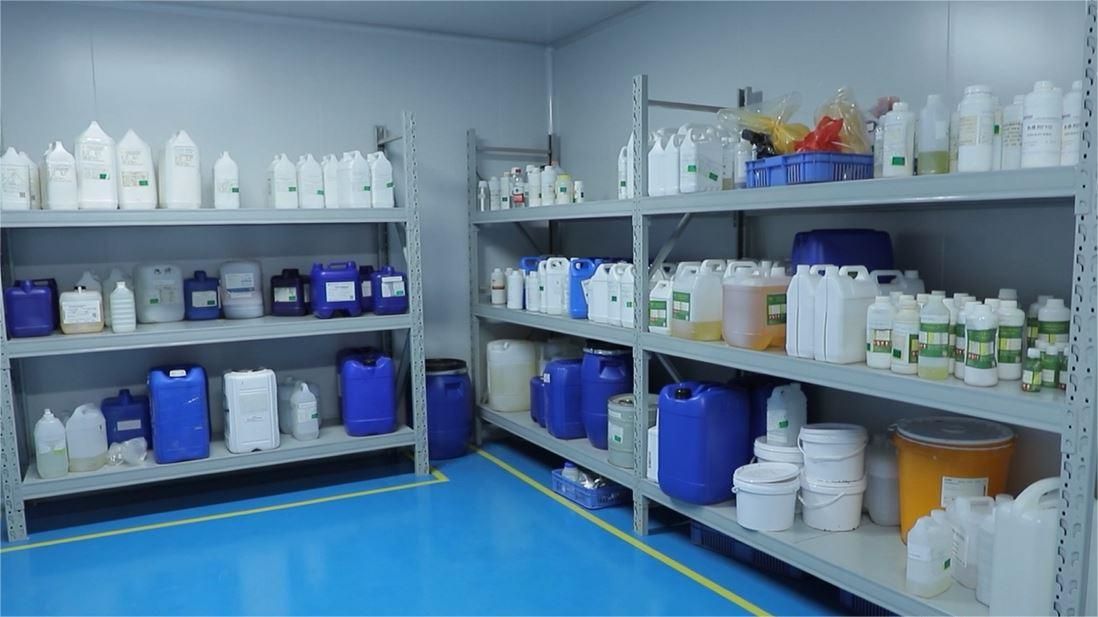
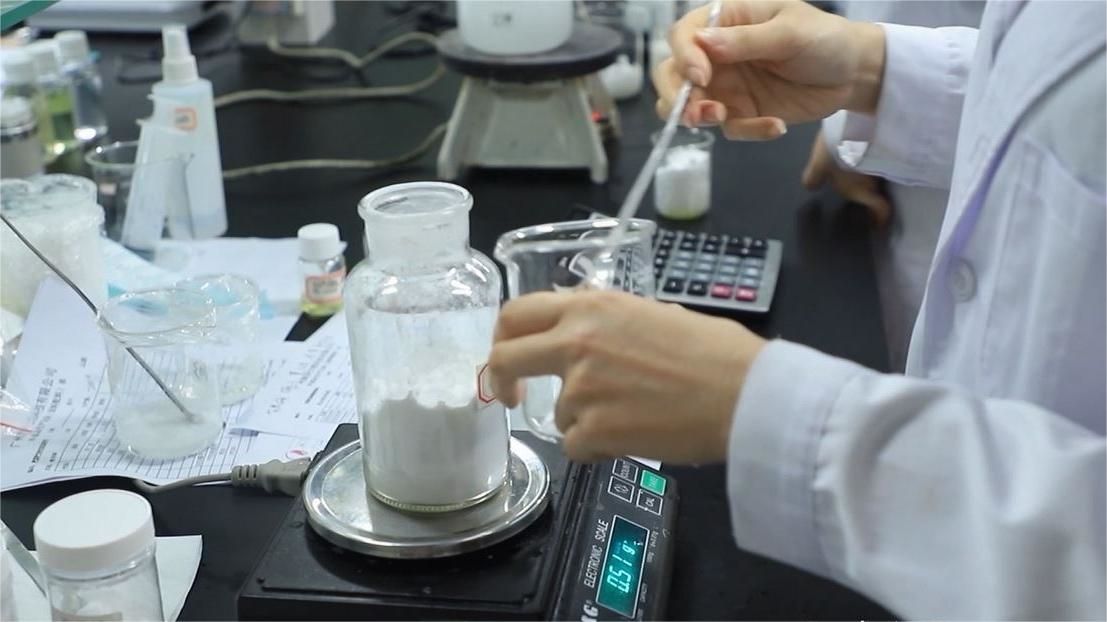
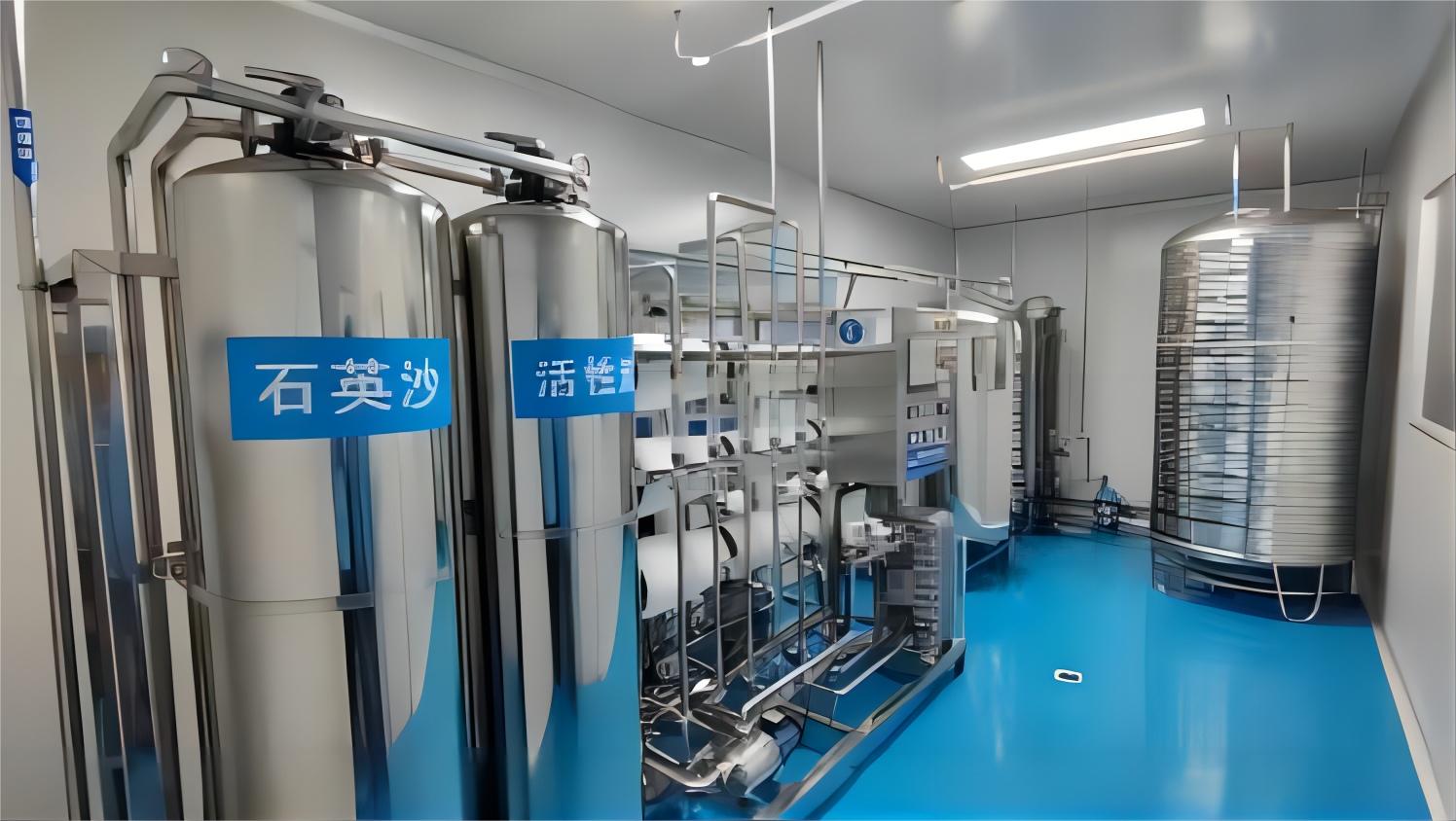
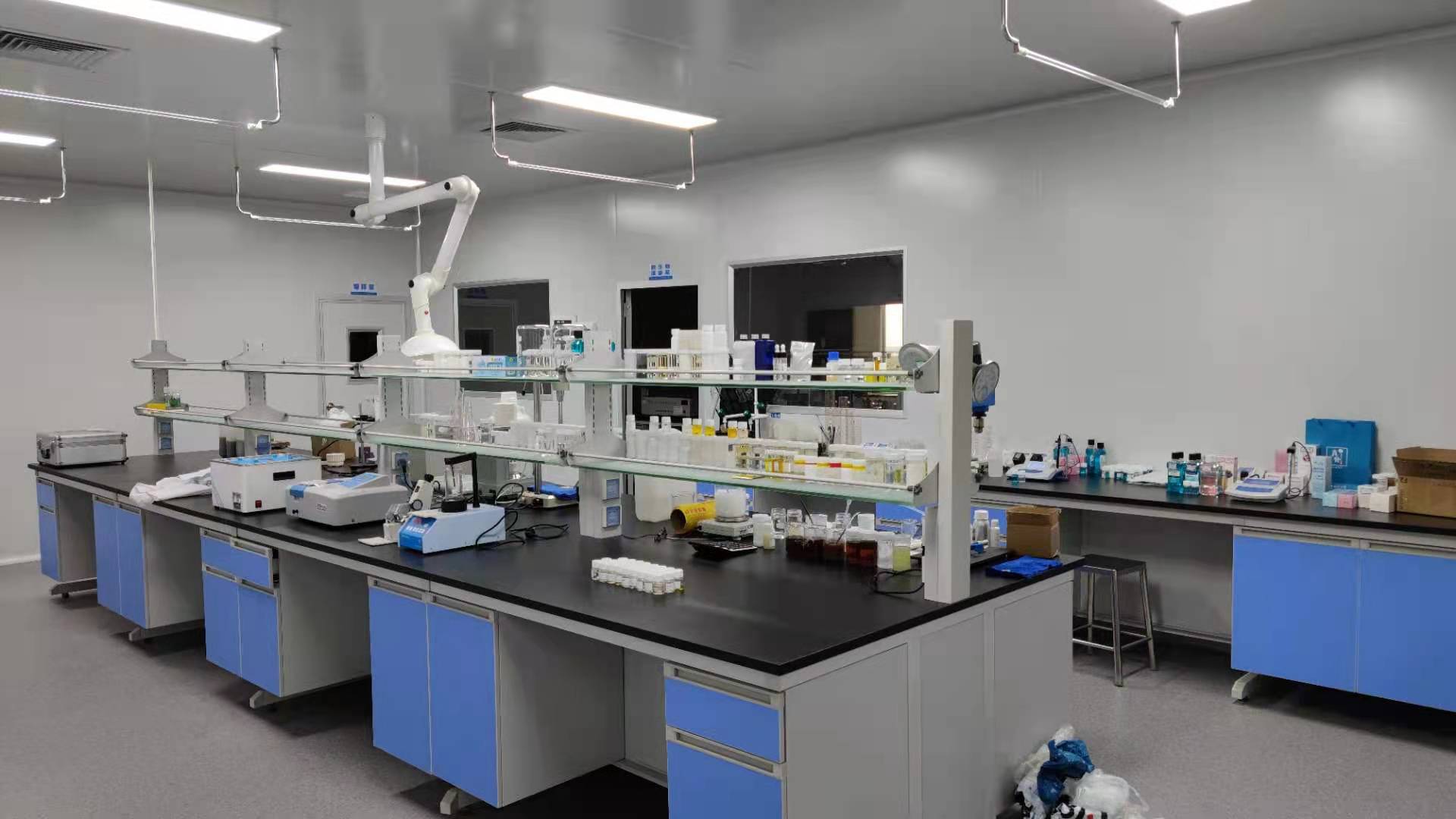
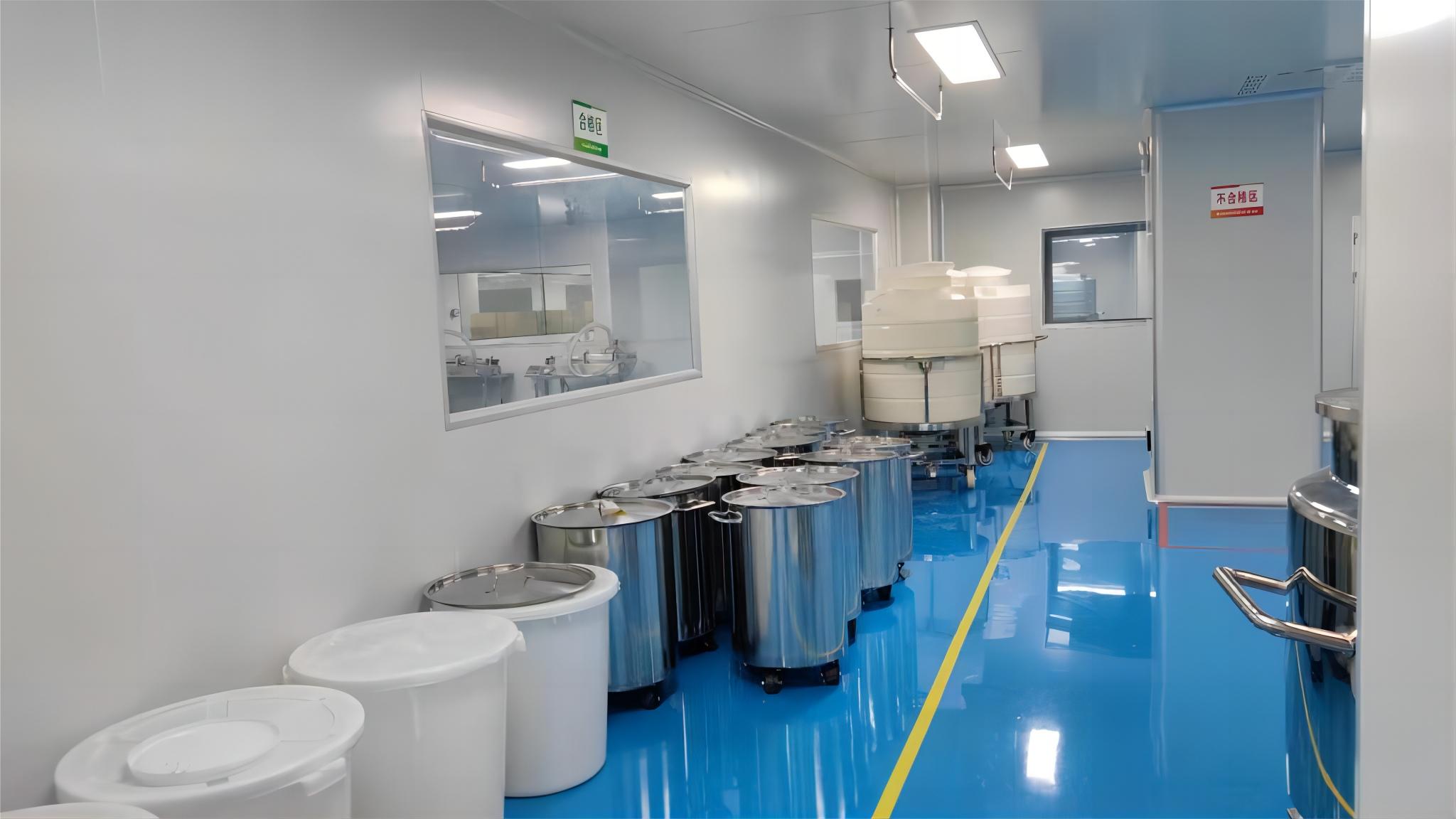
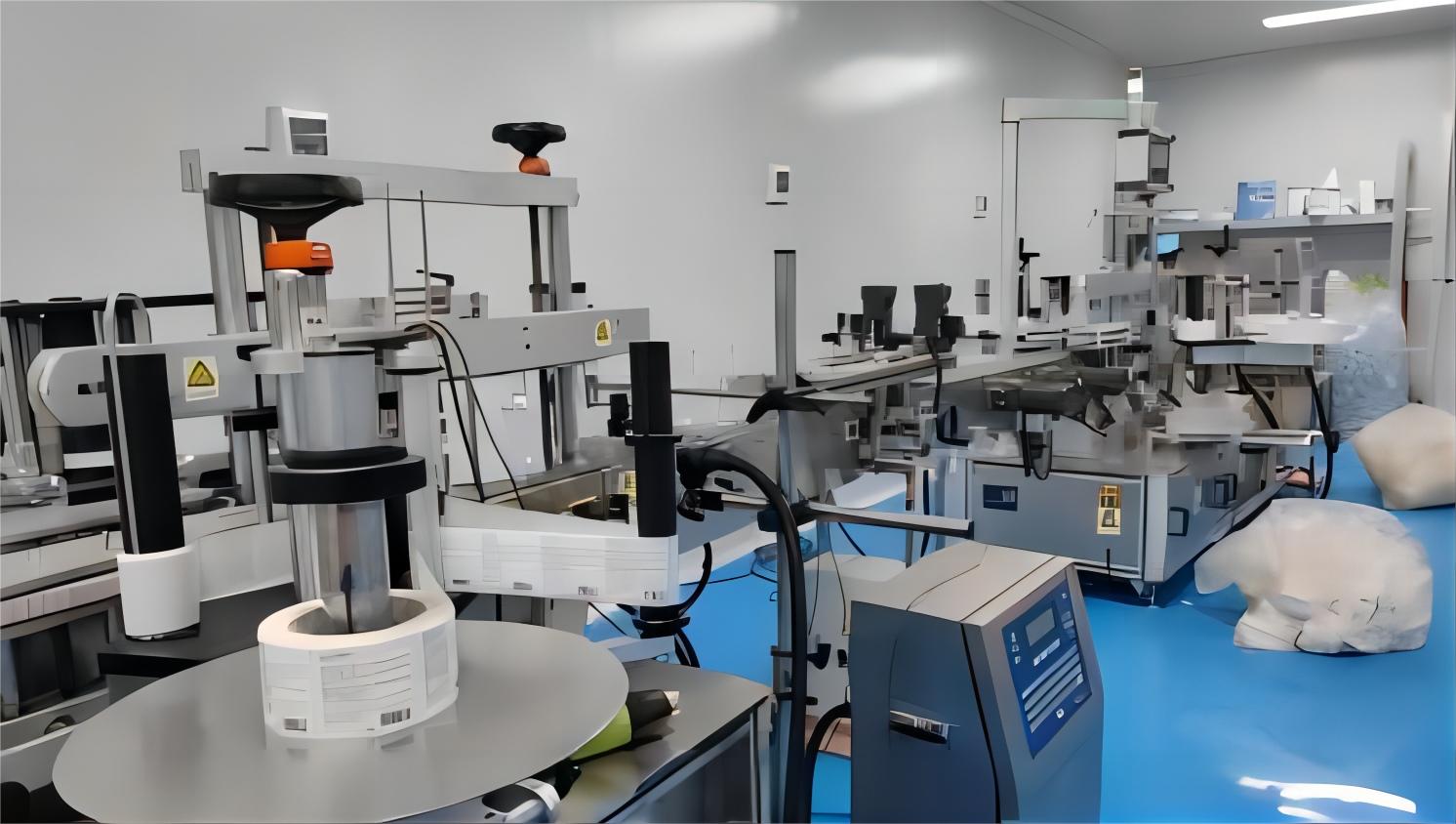
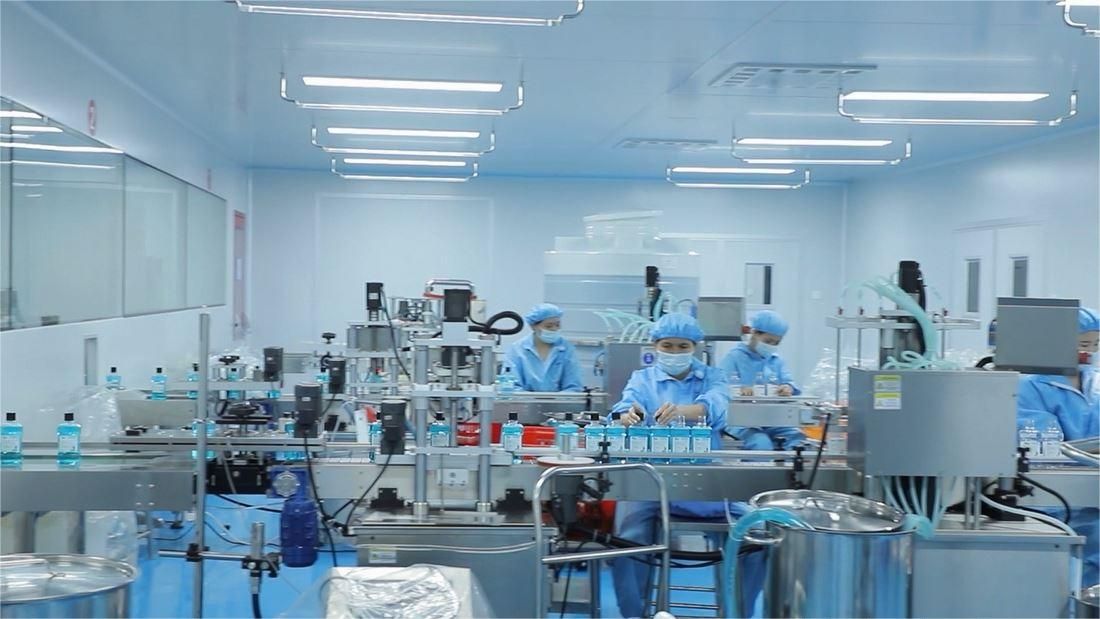
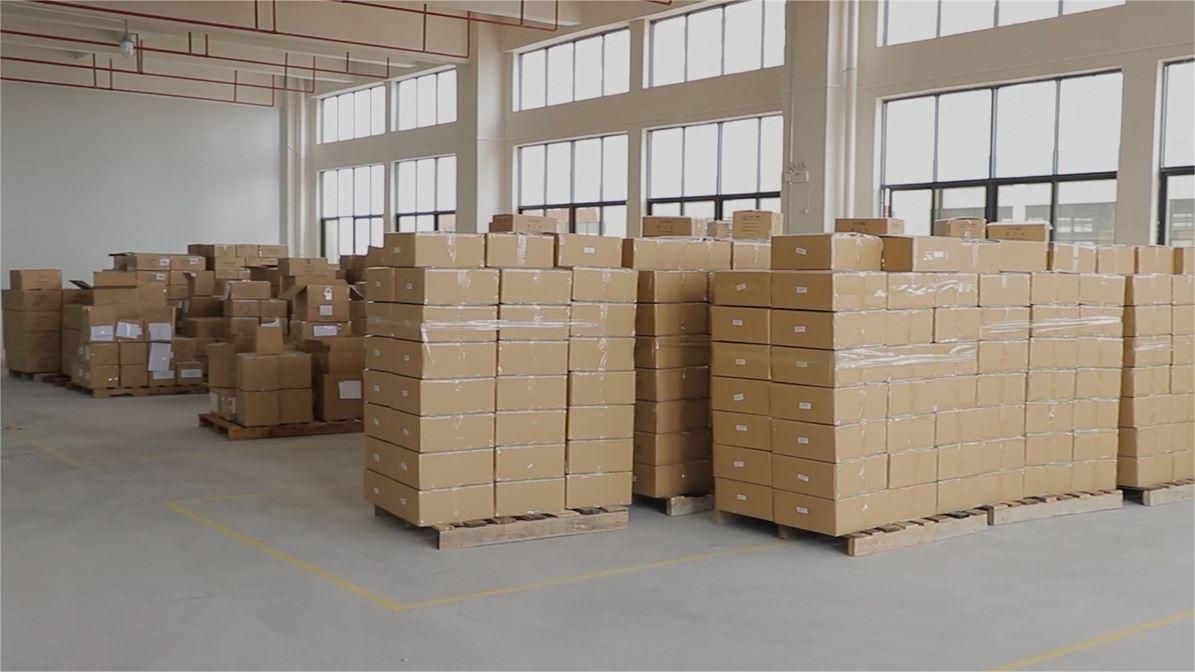
Step-by-Step Quality Control & Production Process
Our manufacturing facility features a fully traceable, GMPc-compliant production pipeline. Each phase of production is monitored to guarantee formulation stability and consumer safety.
5. Localized Application Scenarios: Tailoring Formulations for Global Markets
A primary driver of product failure in international cosmetics distribution is the lack of localized formulation tuning. Skin attributes, environmental factors, and regional beauty standards vary significantly across the globe. Professional OEM/ODM manufacturing must adapt to these localized needs:
Western Markets (North America & Europe)
Consumers in these regions typically favor matte or natural satin finishes. Because active lifestyles demand long wear, products must be highly sweat-resistant and transfer-proof. Formulations benefit from sebum-absorbing minerals (such as silica and kaolin clay) and physical sunscreen agents (SPF 30 to SPF 50) that protect skin without leaving a greasy residue. Additionally, Western brands require broad, inclusive color matching ranges that span cool, warm, and neutral undertones across all skin depths.
East Asian Markets (Japan, South Korea & Domestic)
The "glass skin" aesthetic remains highly popular in these regions. The preferred texture is light, moisturizing, and dewy. Formulations require high percentages of humectants like glycerin and hyaluronic acid, combined with skin-brightening agents such as Niacinamide or Pearl Extract. Sun protection remains critical, with a strong focus on high PA ratings (PA+++ or PA++++) to prevent UV-induced pigmentation.
Middle Eastern & Southeast Asian Markets
Hot, humid climates require specialized cosmetic engineering. Base makeup must resist high humidity without melting, separating, or clogging pores. Formulations prioritize silicone-in-water or water-in-silicone emulsions, which feel weightless on the skin while providing water-resistant wear. Non-comedogenic, oil-free formulas are key to preventing breakouts in warm climates.
6. Advanced Formulation Architecture: The Science Behind the Glow
Creating high-quality BB creams and foundations requires precise emulsion engineering. Our research and development laboratories focus on three primary formulation pillars:
- Pigment Surface Treatment: Raw iron oxides and titanium dioxide are treated with hydrophobic coatings (such as triethoxycaprylylsilane). This prevents pigment agglomeration, ensures even dispersion, and keeps colors from oxidizing or turning orange throughout the day.
- Active Ingredient Delivery Systems: Active ingredients are encapsulated in liposomes or micro-particles to protect them from degradation. This ensures they remain effective within the emulsion and deliver visible skincare benefits over time.
- Rheology Control: By selecting the right polymeric thickeners and emulsifiers, we tune the formula's shear-thinning behavior. The product remains stable in the container but spreads smoothly and evenly across the skin upon application.
Strategic Sourcing Q&A (FAQ)
Get clear answers to key questions about custom formulations, global compliance, MOQs, and production logistics.
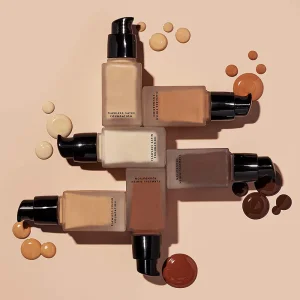
Expanded Foundations & Complexion Solutions
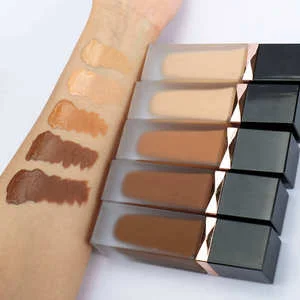
Browse our comprehensive collection of liquid foundations, stick bases, and color-matching face cosmetics designed for international distribution.