Climate-Optimized Canadian Foundation Solutions
Canadian Cosmetic Landscape: Navigating Market Trends & Formulation Standards
1. The Canadian Cosmetics Market Demands and Climate Hurdles
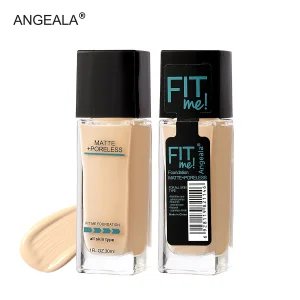
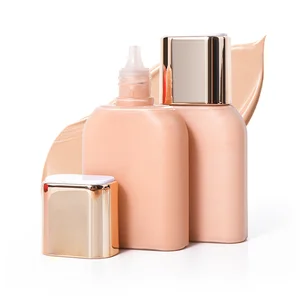
The Canadian beauty landscape represents a unique environment for cosmetic brand owners, distributors, and exporters. Consumers in metropolitan hubs such as Vancouver, Calgary, Toronto, and Montreal demand high-performance makeup products that can withstand extreme meteorological transitions. Canada's sub-zero winter temperatures, dry indoor heating, and humid summer seasons create a specific requirement for high-coverage foundation formulations that offer dermal barrier protection, extreme elasticity, and prolonged sebum control.
To successfully capture market share, B2B cosmetics brands must focus on formulations offering robust barrier care. During winter, standard makeup is prone to cracking, flaking, and settling into fine dry lines. Thus, high-coverage foundations must incorporate active hydrators like multi-weight hyaluronic acids, ceramides, and botanical squalane. Conversely, the high humidity of Canadian summer cycles demands waterproof, transfer-resistant properties, achieved through advanced silicone elastomer matrices and hydrophobic pigment coatings. At Shenzhen TPL Beauty Co., Ltd., we develop complex emulsions that provide high coverage without causing skin barrier disruption, satisfying the sophisticated expectations of Canadian retail channels.
2. Formulation Innovations for Multicultural Demographics
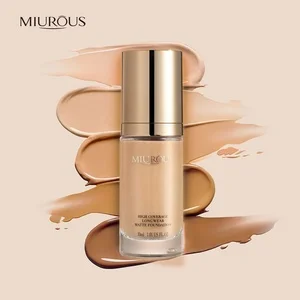
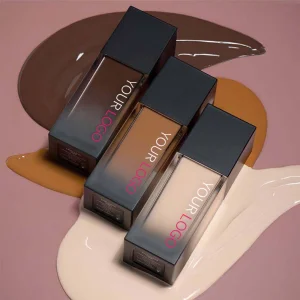
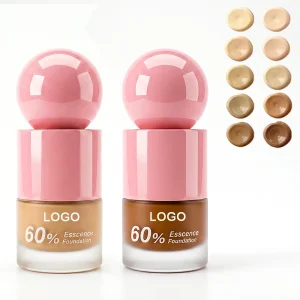
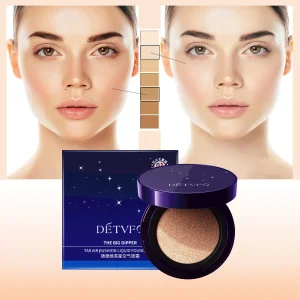
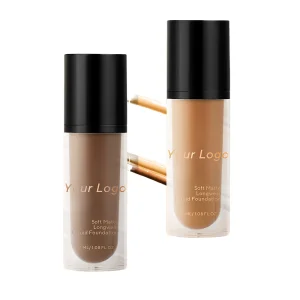
Canada’s demographic profile is characterized by profound cultural diversity, requiring cosmetics brand portfolios to provide an exceptionally broad shade spectrum. The "one-shade-fits-all" model is obsolete. Modern consumer groups expect high-coverage foundations with nuanced undertones, including neutral, olive, warm gold, and deep cool bases.
Providing custom shade matching is a core focus of our research and development laboratory. Utilizing spectrophotometer color matching technology, we map pigment arrays to cater to European, South Asian, East Asian, Indigenous, and Afro-Caribbean skin tones. Our liquid and cushion systems support high loading of micronized titanium dioxide, iron oxides, and zinc oxide, ensuring maximum coverage while maintaining a natural skin-like finish.
| Foundation Sub-Category | Canadian Climate Suitability | Primary Viscosity Target | Key Active Infusions |
|---|---|---|---|
| Water-in-Silicone (W/Si) Emulsion | Extreme Winter/Dry Wind Protection | 8,000 – 12,000 cPs | Hyaluronic Acid, Panthenol, Jojoba Oil |
| Water-in-Oil (W/O) Liquid | High-Humidity Summer Resistance | 6,000 – 9,000 cPs | Tocopheryl Acetate, Silica Silylate, Zinc Oxide |
| Anhydrous Compact / Stick | Targeted High-Coverage / On-the-Go Spot Treatment | Solid Wax Melt (75°C) | Candelilla Wax, Phytosteryl Esters, Kaolin Clay |
Navigating Health Canada Regulatory Frameworks
Ingredient Compliance & Cosmetic Hotlist
Health Canada regulates cosmetic products through the Food and Drugs Act and the Cosmetic Regulations. Our R&D team continuously cross-references formulations against the Canadian Cosmetic Ingredient Hotlist, ensuring complete compliance with limits on restricted materials, heavy metal thresholds, and synthetic preservatives.
Cosmetic Notification Forms (CNF) Assistance
Any cosmetic sold in Canada must be notified to Health Canada within 10 days of its sale. Shenzhen TPL Beauty Co., Ltd. provides all regulatory documentation, including detailed INCI lists, exact concentration percentages, and raw material safety datasheets (MSDS) to expedite your CNF submissions.
Bilingual Labeling & Traceability Requirements
We offer comprehensive packaging design support to comply with Canadian laws, including bilingual (English and French) labeling, ingredient declarations, net quantity declarations, and lot-tracing codes for optimal quality assurance.
Safety Assessments & Heavy Metal Testing
Because full-coverage foundations require high pigment loads, verifying heavy metal purity is critical. Lead, arsenic, cadmium, mercury, and antimony are kept well below Health Canada's defined limits through strict selection of cosmetic-grade mineral oxides. Additionally, all our formulations undergo comprehensive stability testing, microbiology assays, and preservative efficacy challenges (USP 51 equivalent) to guarantee product stability during trans-Pacific transit and warehouse storage.
Shenzhen TPL Beauty Co., Ltd. Advanced Manufacturing Flow
Founded in 2009, Shenzhen TPL Beauty Co., Ltd. is a GMPC & ISO 22716 certified OEM/ODM cosmetics leader. Below is our clinical, step-by-step production flow designed to guarantee safety, potency, and purity for our global supply partners.
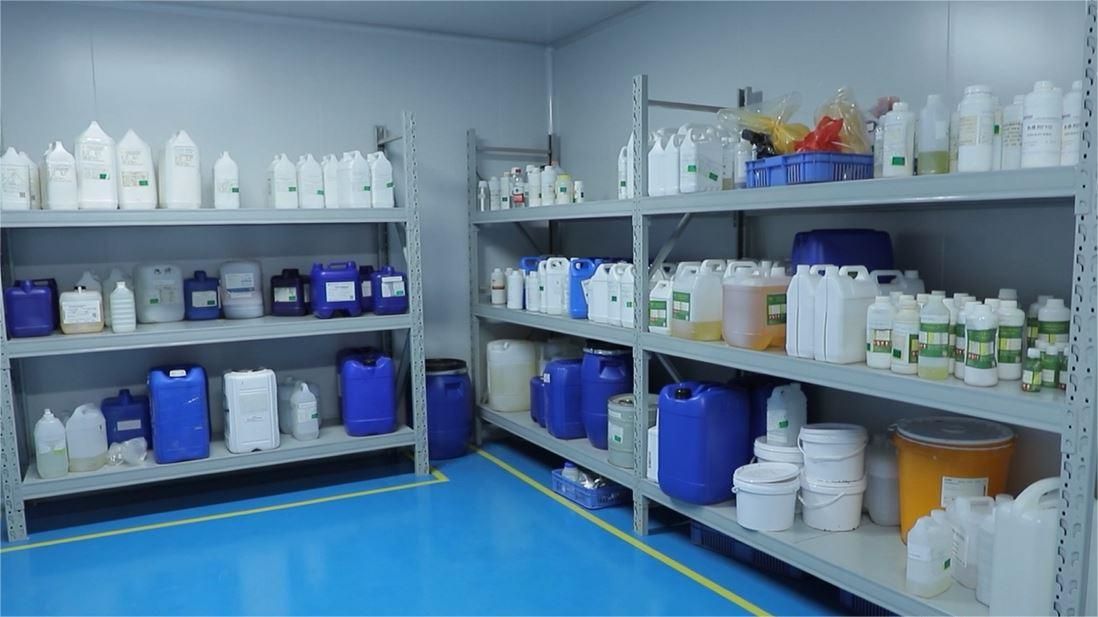
Raw Material Selection
We source premium active components globally. Each batch is quarantined and verified for purity and chemical conformity before release to manufacturing.
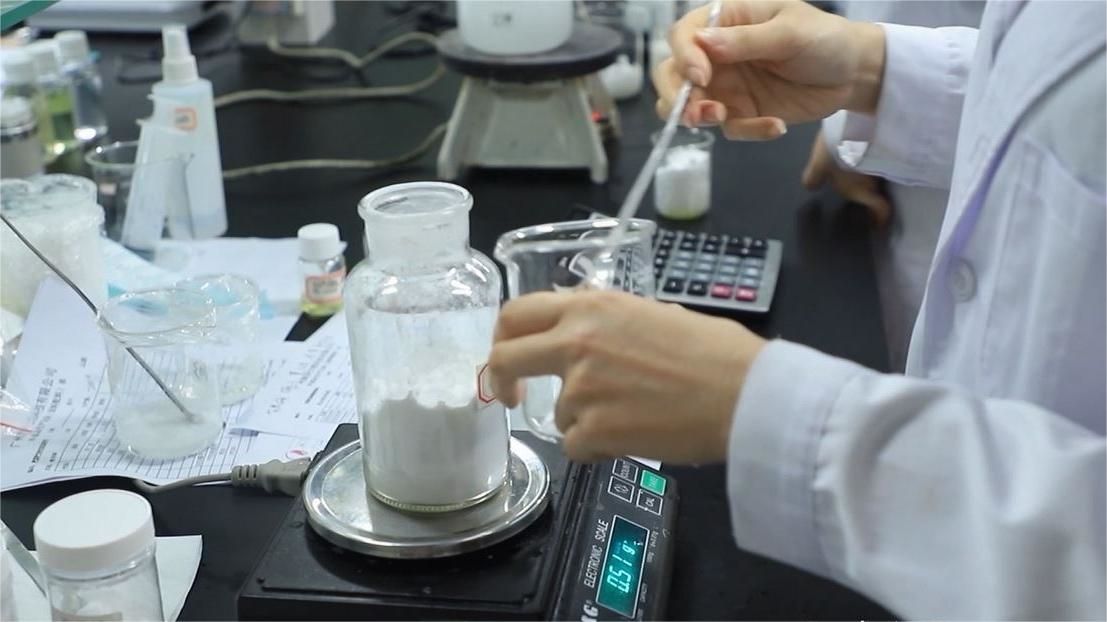
Weighing For Cosmetics Ingredient
High-precision industrial digital weighing scales measure pigments, lipids, and active ingredients to ensure formulation stability and shade consistency.
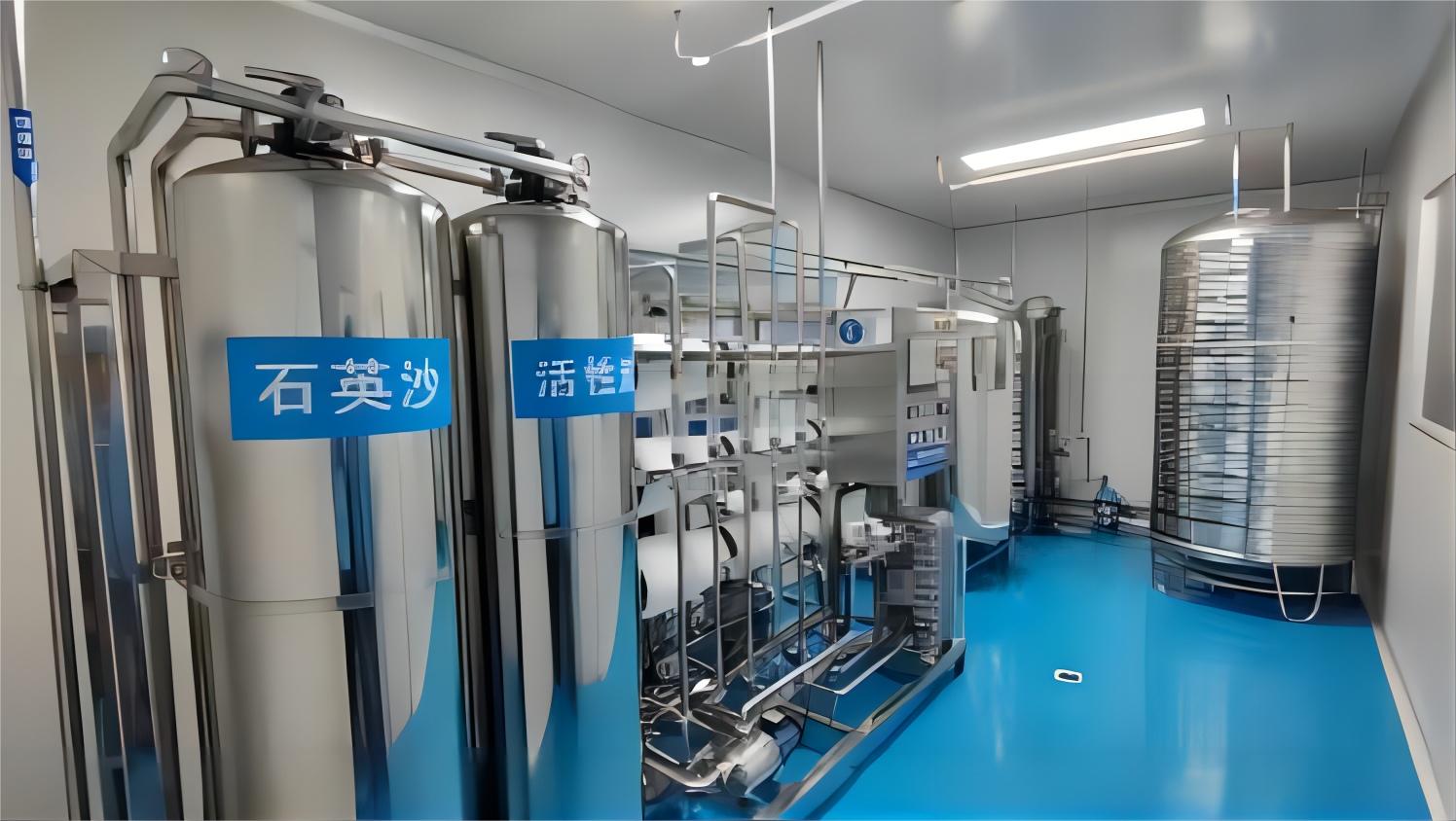
Pure Water Making For Cosmetics
Multi-stage reverse osmosis water treatment units purify water to clinical grades, eliminating microbial and mineral contaminants.
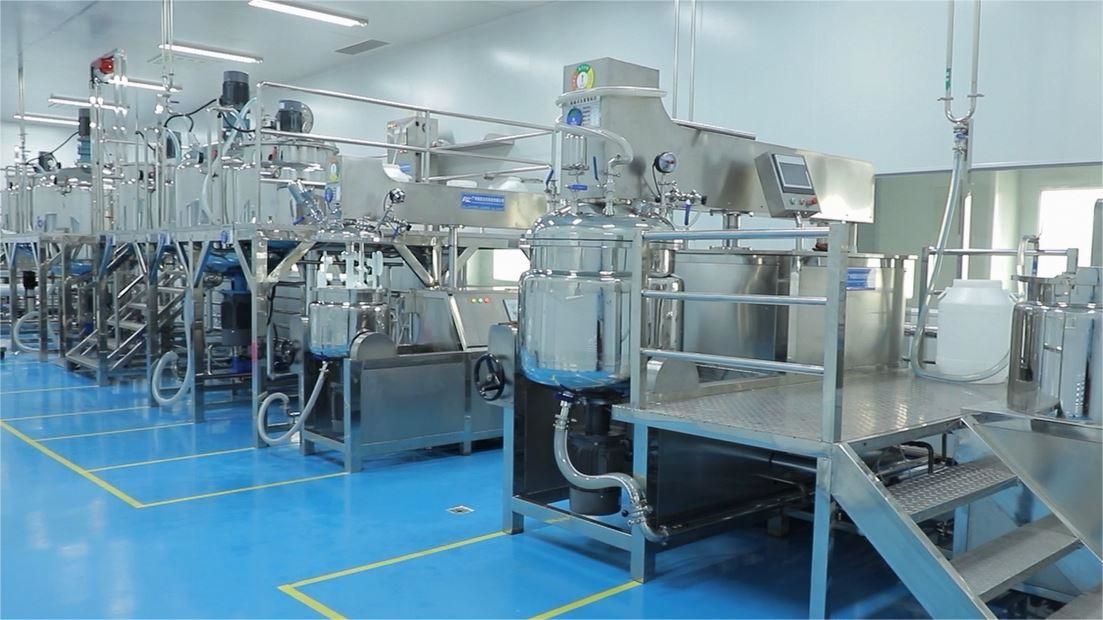
Emulsifying For Cosmetics
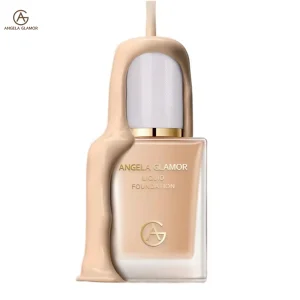
High-shear vacuum emulsifiers combine water and oil phases to create stable, silky foundation textures that do not separate over time.
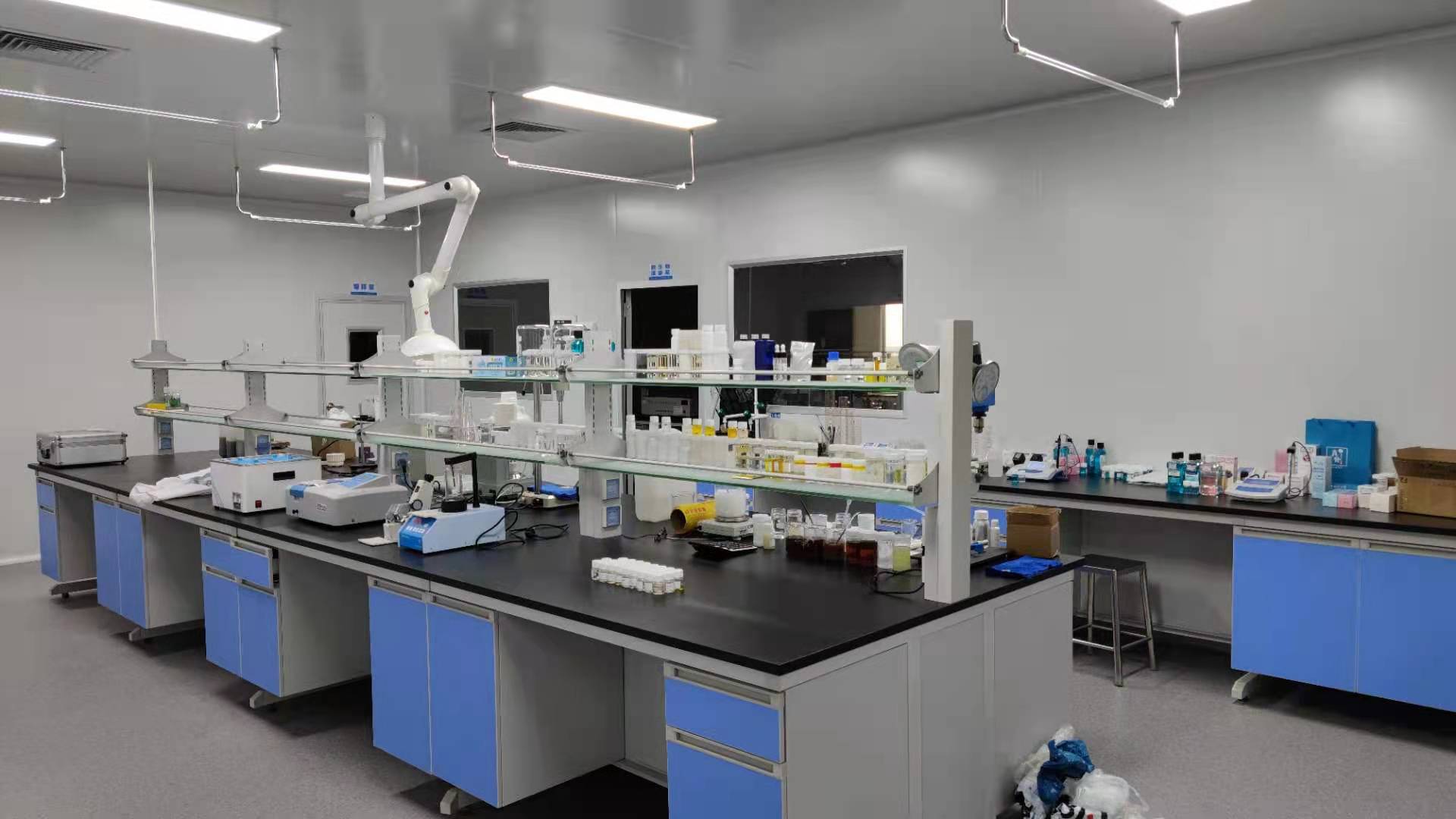
Testing For Cosmetics
In-house laboratory technicians run viscosity, pH, microbial count, and shade verification protocols to match golden standards.
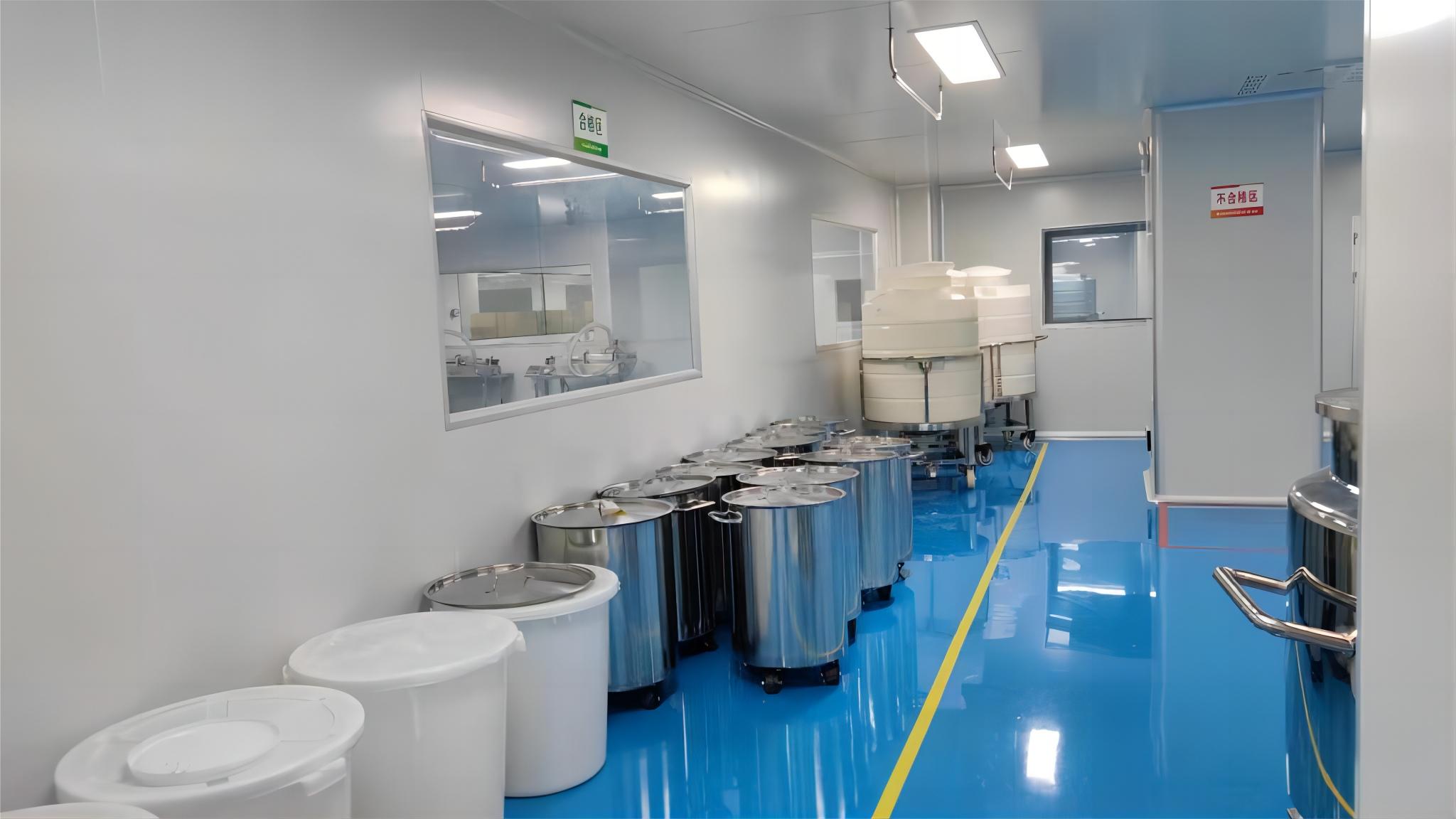
Standing Phase
Emulsified foundations sit in climate-controlled stabilization vessels to allow aeration release and structure normalization before filling.
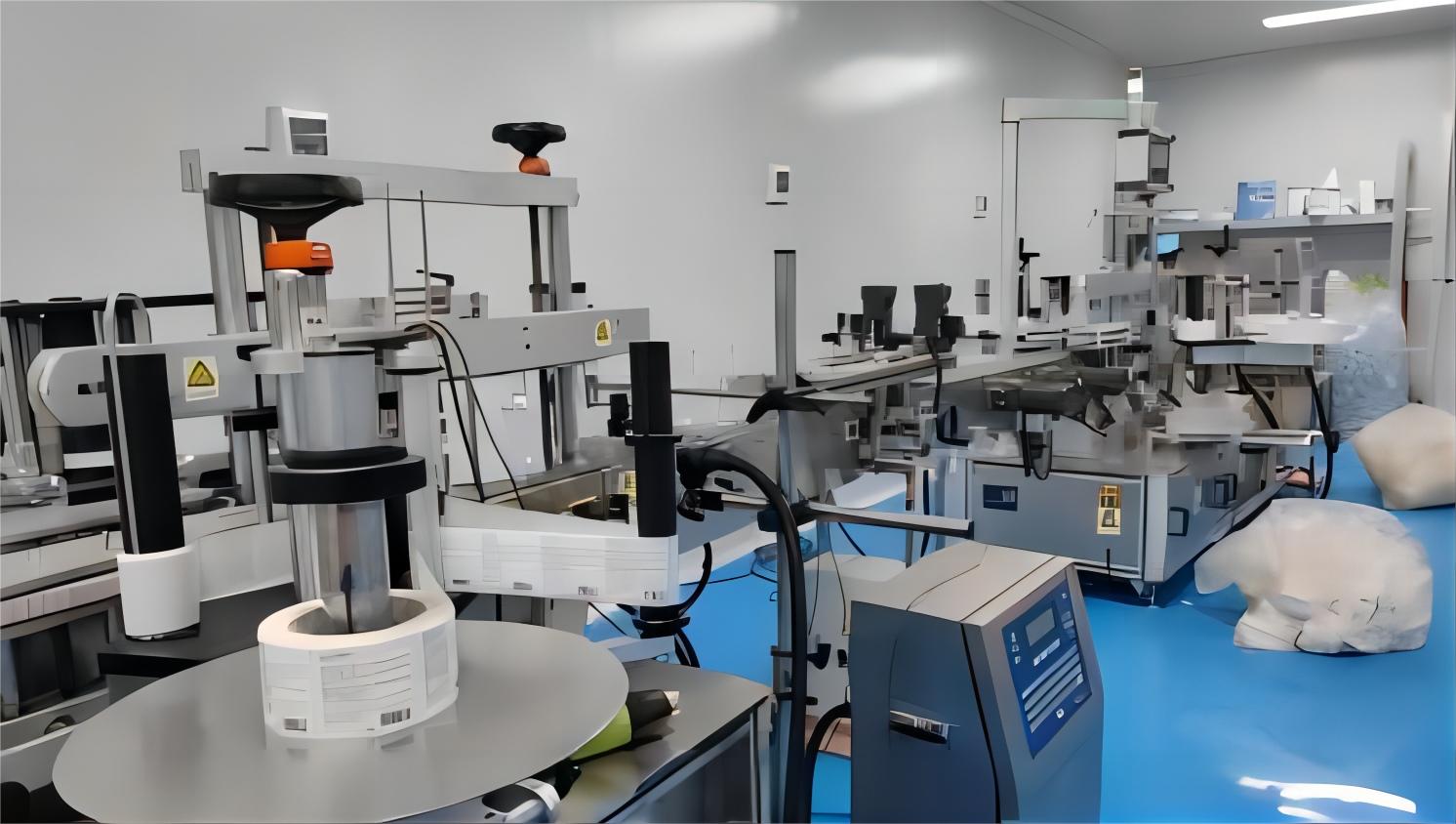
Coding For Cosmetics
Automated laser inkjet systems print precise batch numbers, manufacturing dates, and expiration markers on the secondary and primary packaging.
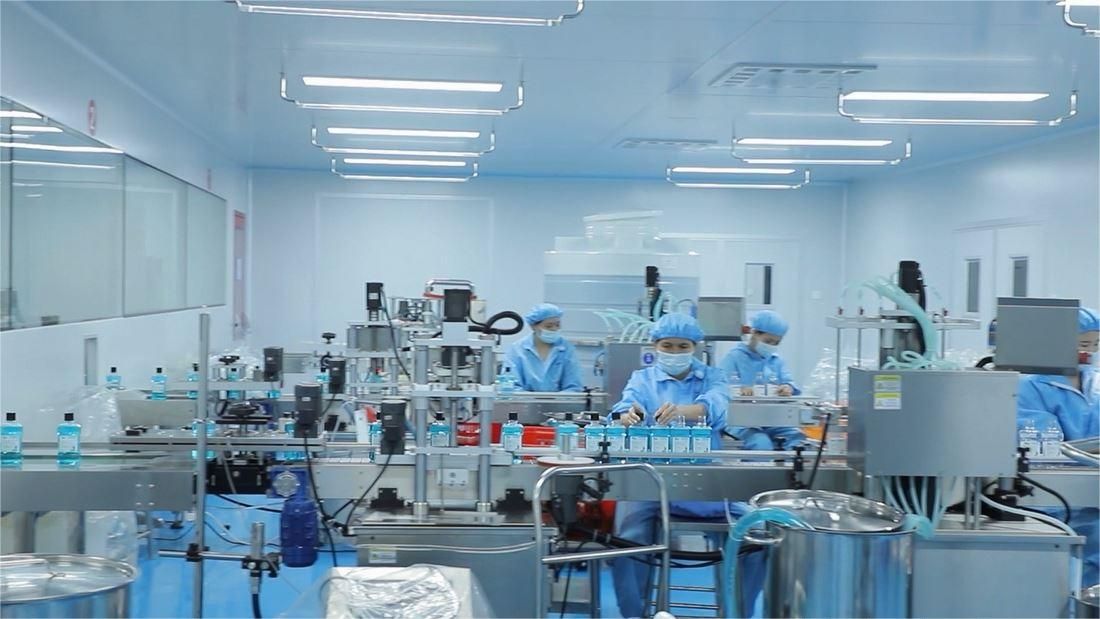
Emulsion Filling For Cosmetics
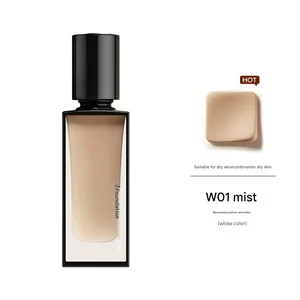
Aseptic filling lines dispense the foundation paste into glass bottles, sticks, or tubes, preventing contact with atmospheric contaminants.
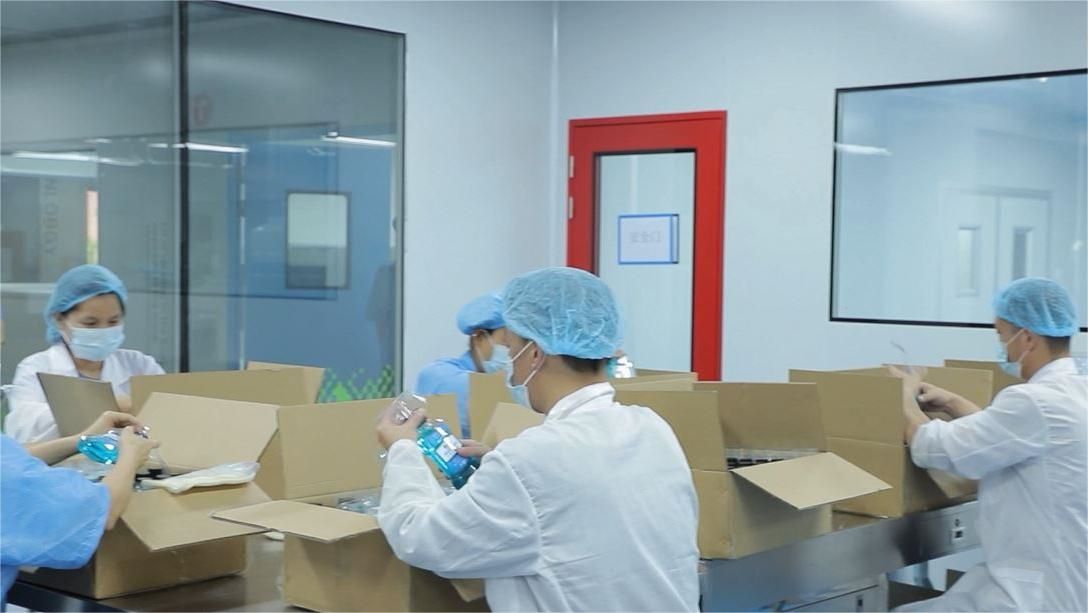
Inspecting Process
Quality assurance experts manually and optically inspect every single bottle for scratches, seal leaks, or fill weight deviations.
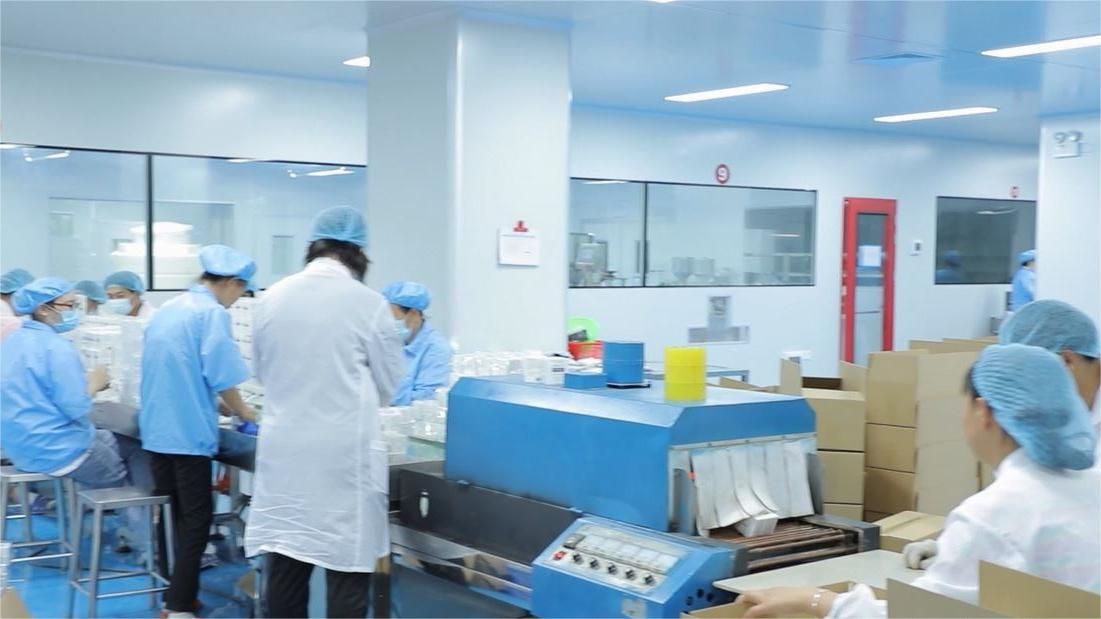
Packing Process
Finished products are inserted into custom secondary brand boxes, shrink-wrapped, and prepared with protection for transcontinental shipping.
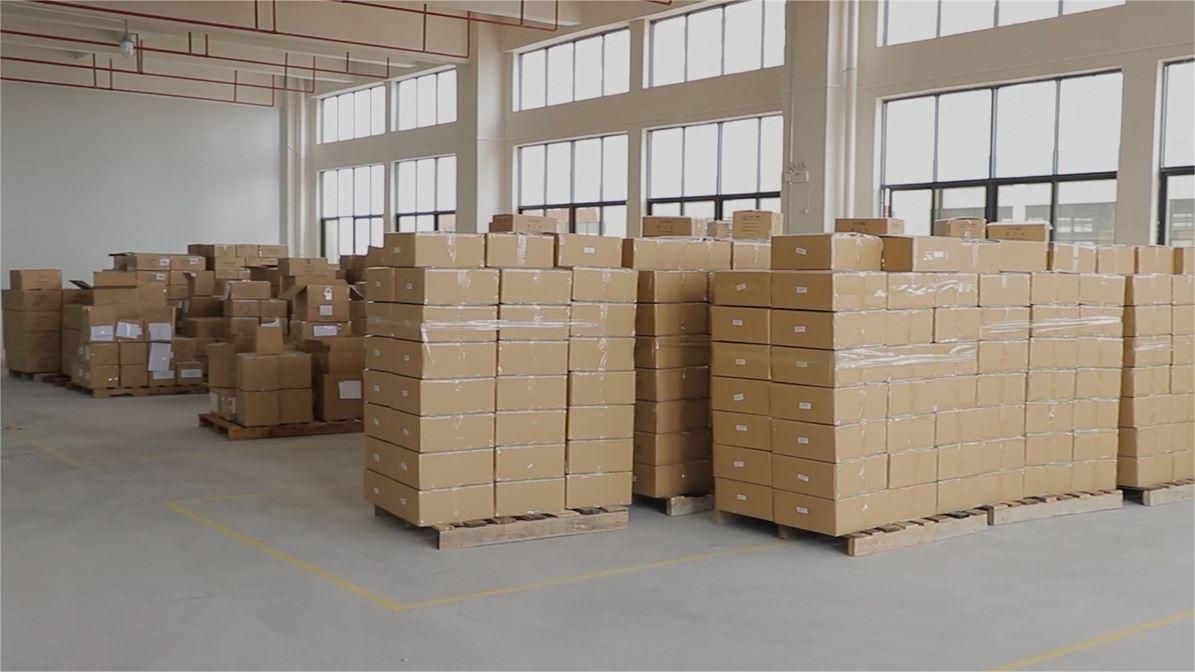
Packed Production
Palletized inventory is stored in dry, moisture-monitored distribution warehouses ready for direct export customs clearance to Canadian distribution centers.
Key B2B Sourcing Trends for 2025/2026
A. Active Skincare-Infused Foundations
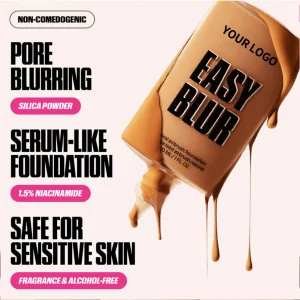
Consumers no longer view foundation purely as a masking agent. There is a strong demand for hybrid cosmetics containing clinically proven skin benefits, such as niacinamide, vitamin C derivatives, and natural plant extracts. Our formulas balance coverage with long-term skin health.
B. Sustainability & Clean Beauty Compliance
Canadian purchasing habits favor eco-friendly options. We provide certified vegan, cruelty-free, and organic mineral foundations, using sustainably sourced, biodegradable raw materials and recyclable packaging solutions.
C. Adaptable Packaging & Custom Tooling
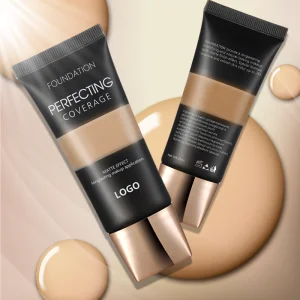
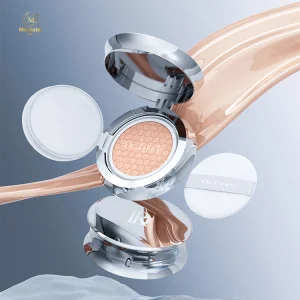
From airless pump dispensers to high-density cushion compacts and foundation sticks with integrated brush applicators, we offer diverse packaging configurations. We can also develop custom tooling for unique bottle shapes and closures.
How B2B Buyers Optimize Supply Chain Costs
Sourcing directly from our Shenzhen facility minimizes intermediary costs, allowing Canadian brands to maintain strong margins in a competitive retail landscape. We handle local logistics prep, palletization, and export paperwork, offering DDP (Delivered Duty Paid) or FOB shipping to major Canadian hubs like Vancouver and Toronto. Our integrated packaging lines and established supplier network ensure fast turnaround times from formula sign-off to final container loading.