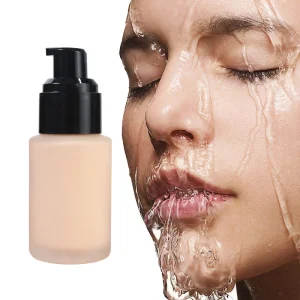
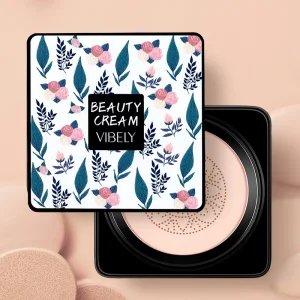
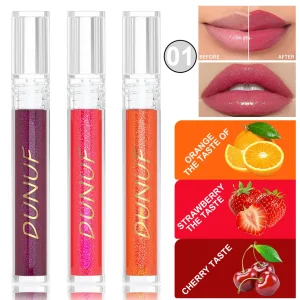
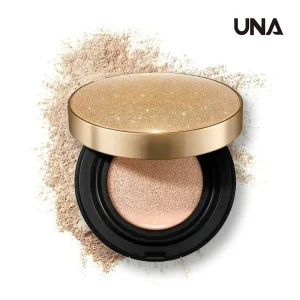
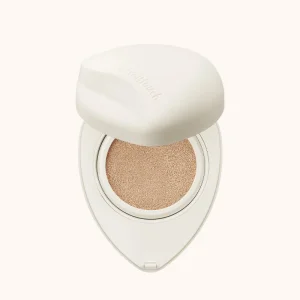
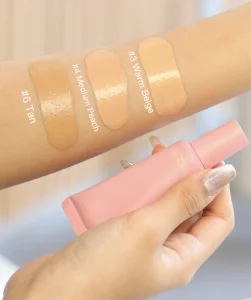
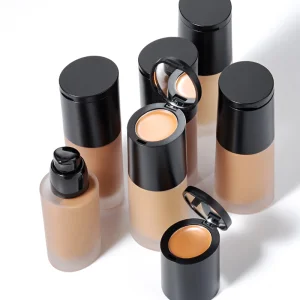
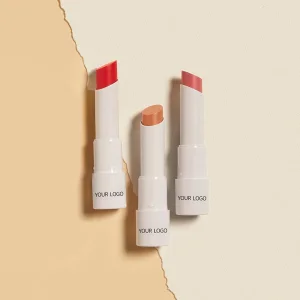
Premium Dual Finish Formulations Portfolio
Executive Brief: The Shift to Dual Finish Formulations
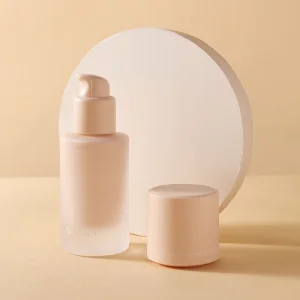
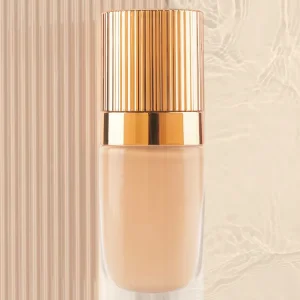
In the highly competitive global beauty landscape, brand longevity is inextricably tied to product functionality and manufacturing reliability. As consumer demands transition from simple cosmetics to multi-benefit, adaptive formulations, dual finish foundations (wet/dry hybrid products) have emerged as a foundational asset for top-tier beauty brands. These formulations offer a seamless transition from a lightweight, sheer powder finish when applied dry, to a full-coverage, velvet cream consistency when activated with water.
From an industrial perspective, producing high-performance dual finish foundations requires extreme precision in pigment coating, powder micronization, and binder-to-powder ratios. This whitepaper analyzes the manufacturing dynamics, supply chain considerations, and product formulation technologies that make Chinese cosmetics factories, such as Shenzhen TPL Beauty Co., Ltd., the preferred strategic partners for global beauty enterprises.
Understanding Wet/Dry Hybrid Chemistry
To withstand dry application without flaking, and wet application without cracking or separating, the mineral base (typically mica, talc, and silica) must undergo hydrophobic surface modification. Factory research labs utilize advanced surface treatment agents like triethoxycaprylylsilane, methicone, or natural lecithin coatings. These coatings prevent the water from penetrating the core of the pigment matrix, instead allowing it to form a cohesive, smooth emulsion on the skin's surface. When dry, the hydrophobic particles remain light and breathable, absorbing excess sebum while diffusing light.
Production Infrastructure: Shenzhen TPL Beauty Co., Ltd.
Founded in 2009, Shenzhen TPL Beauty Co., Ltd. is a professional full-service private label cosmetics manufacturer specializing in the research, development, production, and customization of high-quality color cosmetic products for global beauty brands, distributors, retailers, and e-commerce businesses.
Our comprehensive product portfolio covers a wide range of makeup categories, including eyeshadow palettes, lipsticks, lip glosses, liquid lipsticks, foundations, concealers, blushes, highlighters, bronzers, mascaras, eyeliners, eyebrow products, setting powders, and other innovative beauty solutions. From concept development and formula design to packaging customization and mass production, we provide comprehensive OEM/ODM services tailored to meet diverse market demands.
With extensive experience serving customers across North America, Europe, the Middle East, Southeast Asia, and other international markets, we have a deep understanding of global cosmetic regulations and quality standards. All formulations can comply with relevant international requirements, including EU Cosmetic Regulations, REACH, FDA guidelines, and California Proposition 65. We provide complete documentation support, including product testing reports, safety assessments, MSDS, ingredient documentation, and regulatory filing assistance.
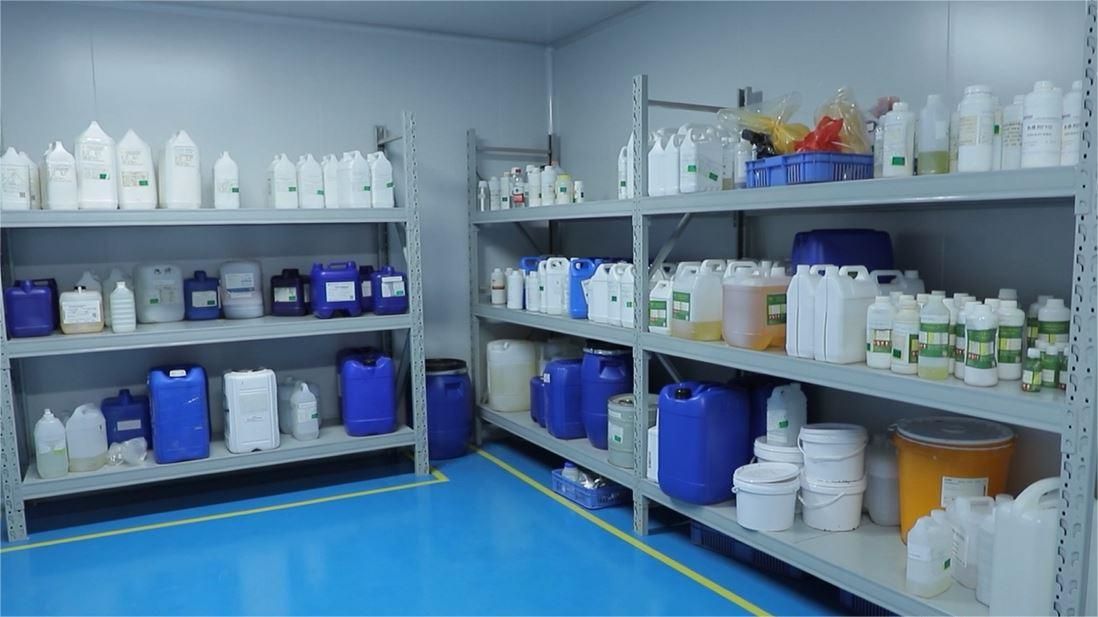
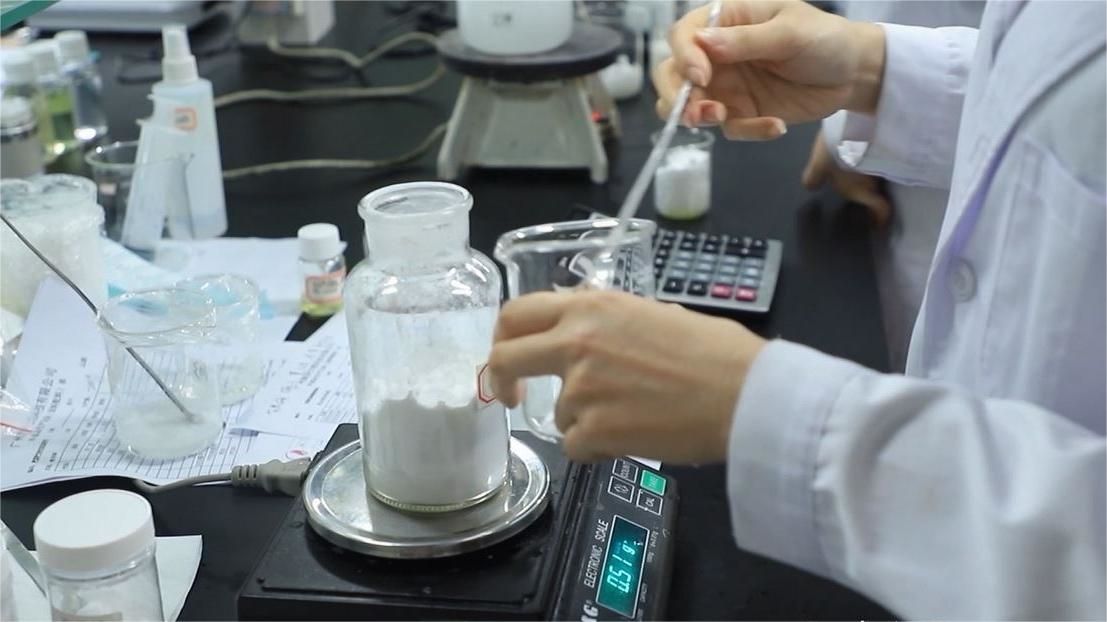
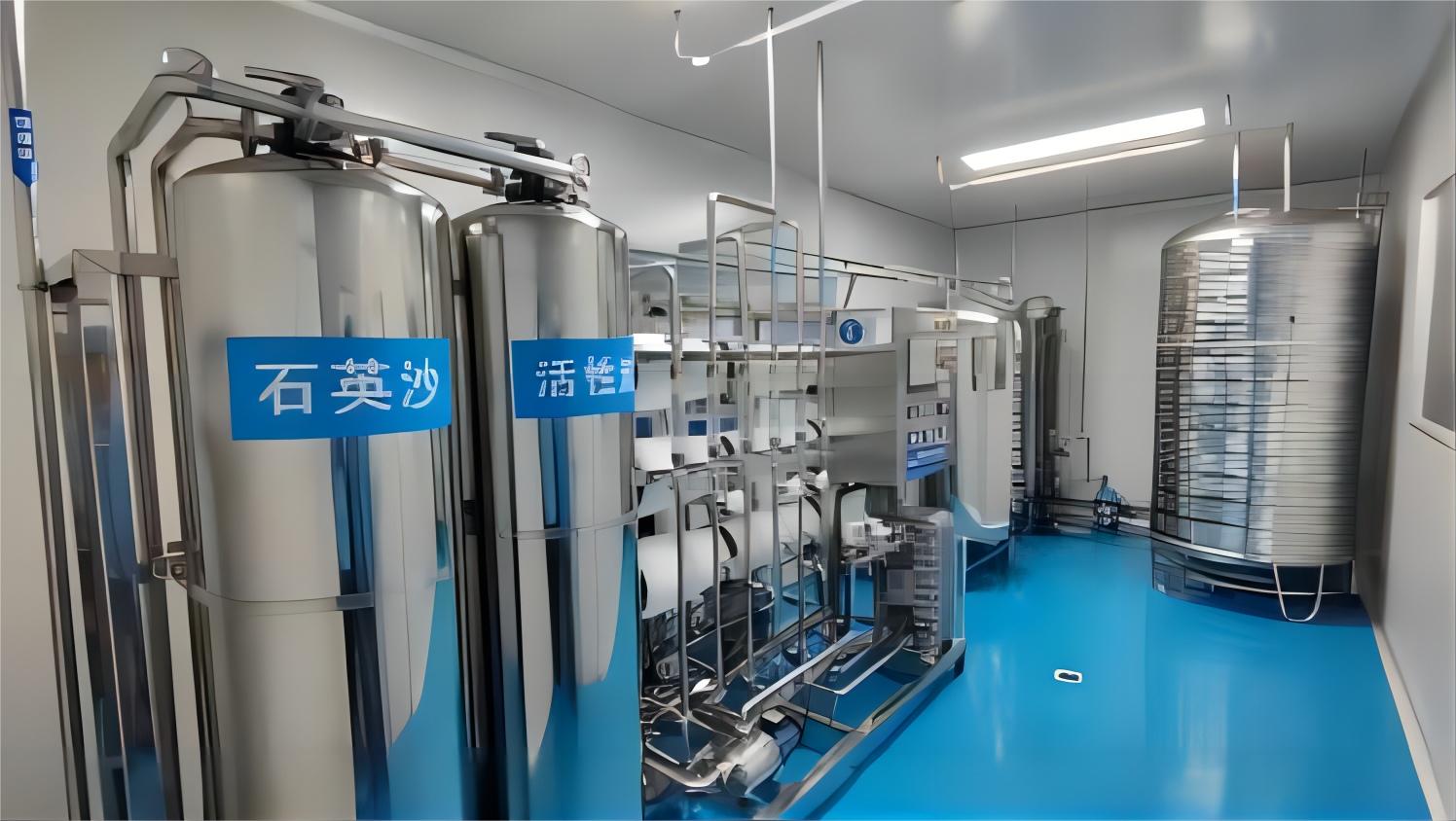
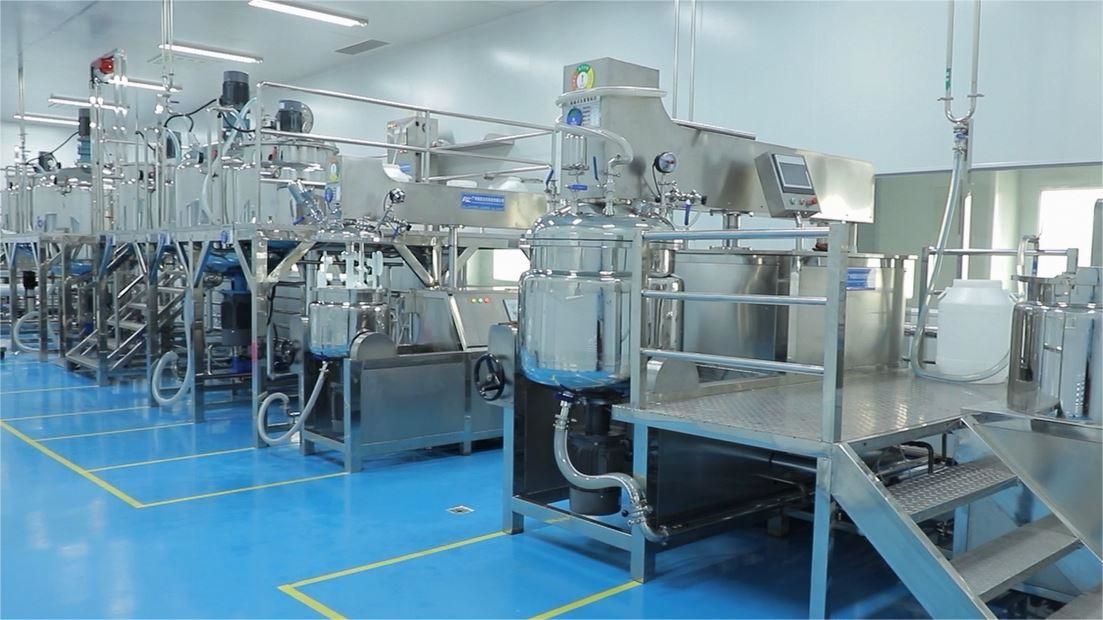
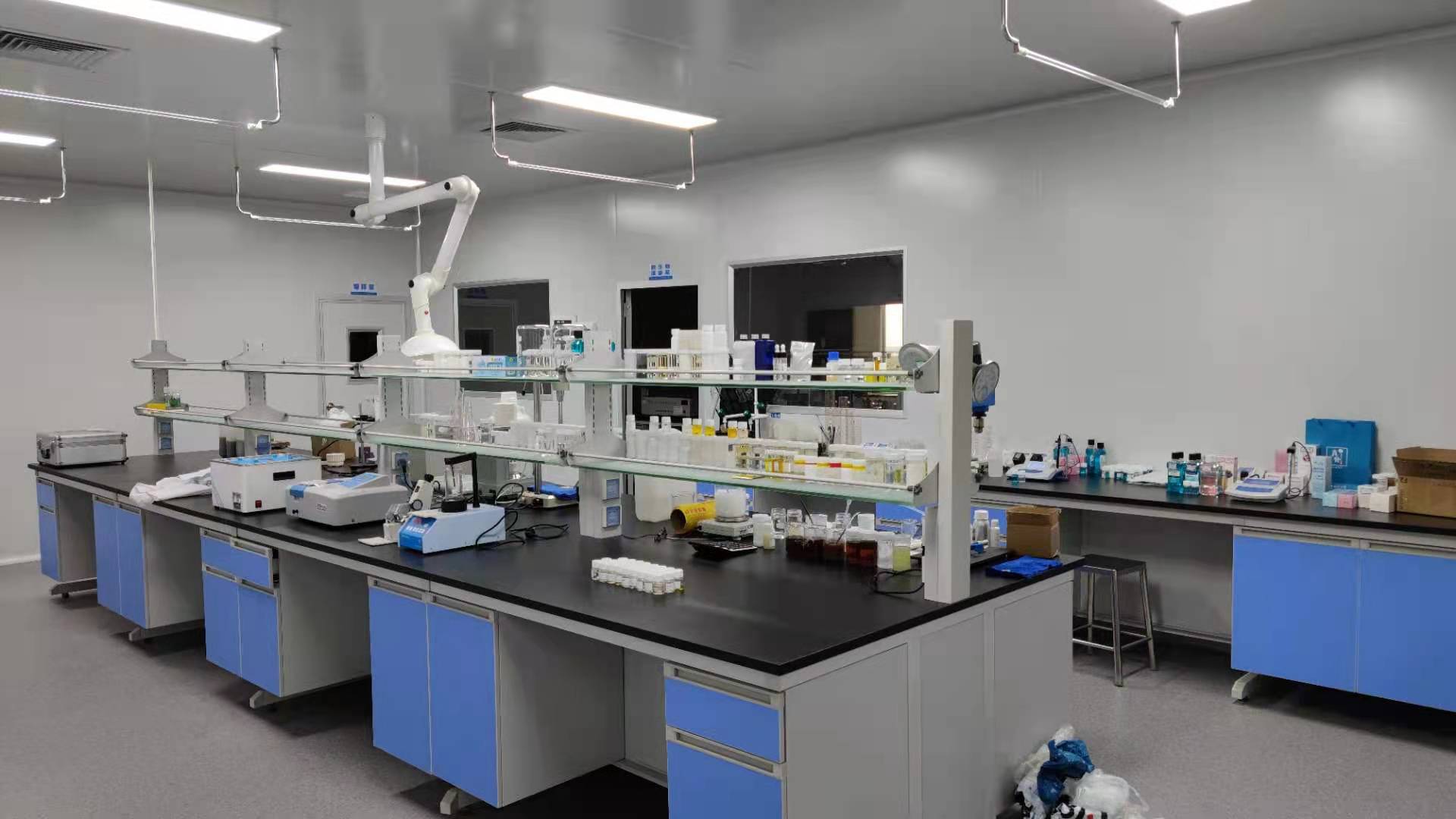
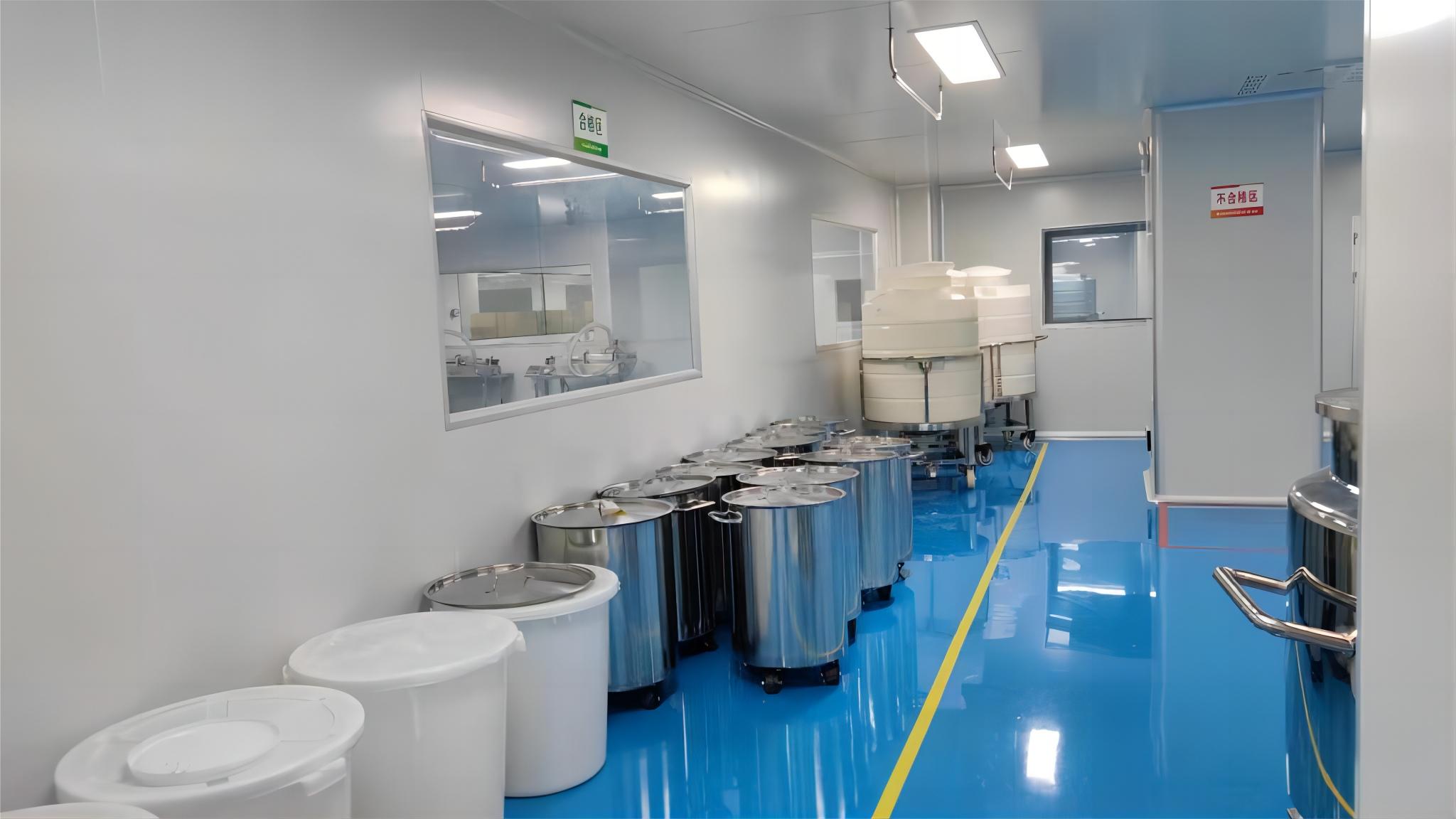
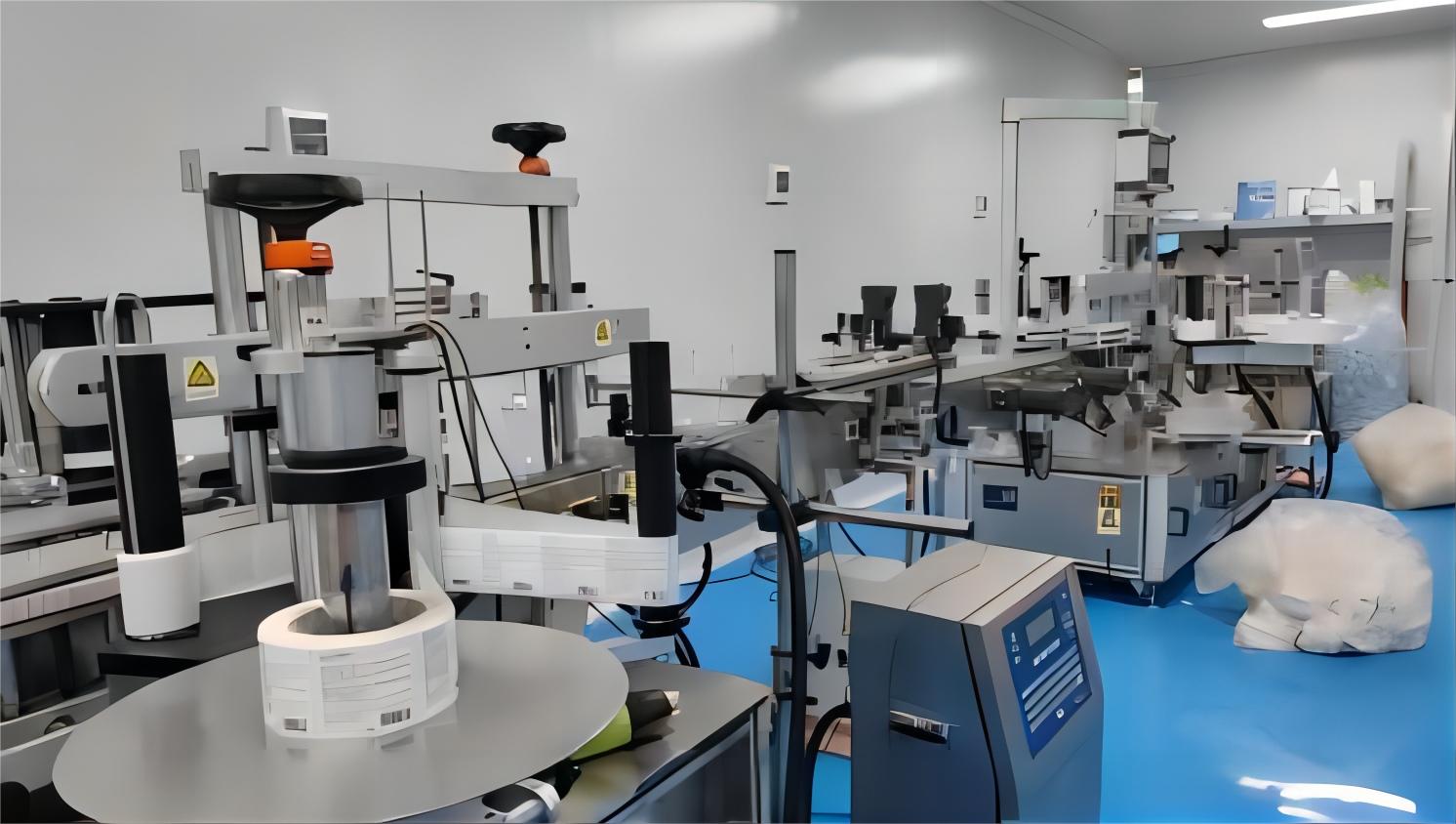
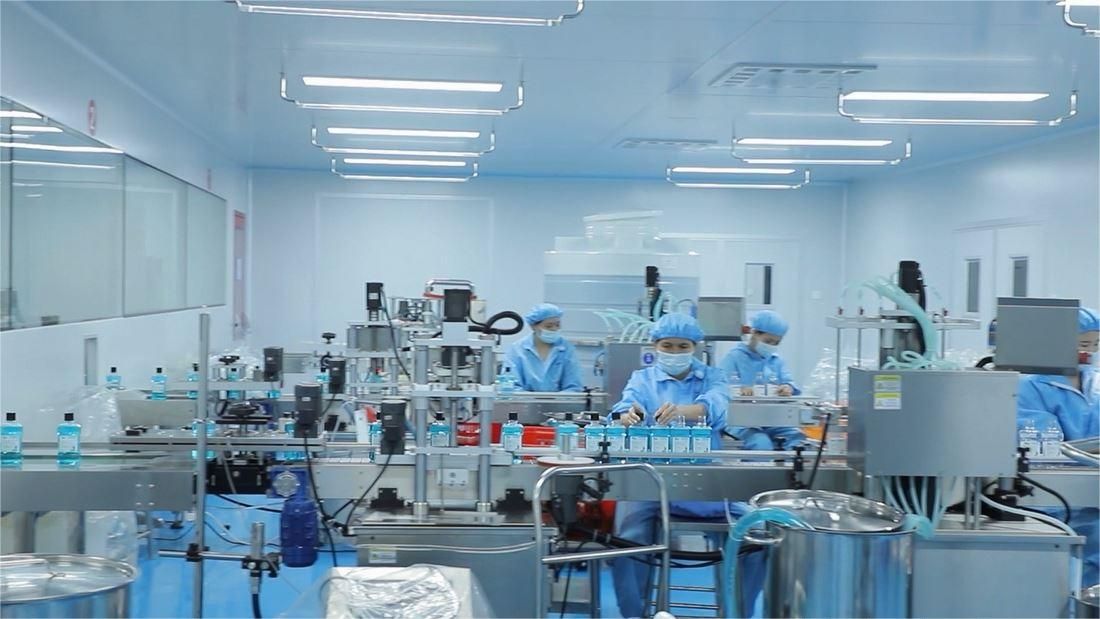
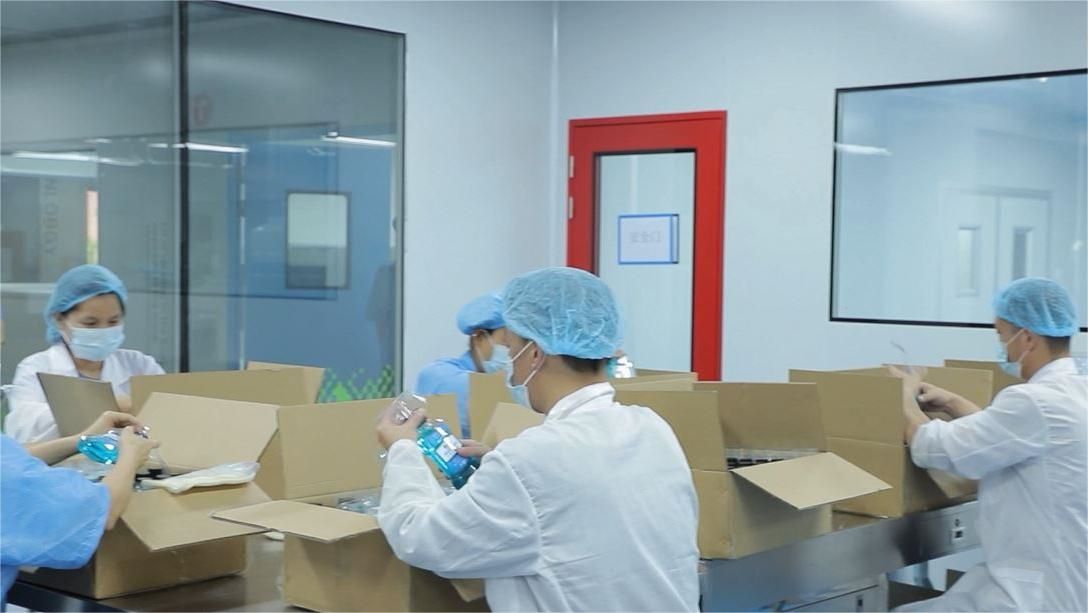
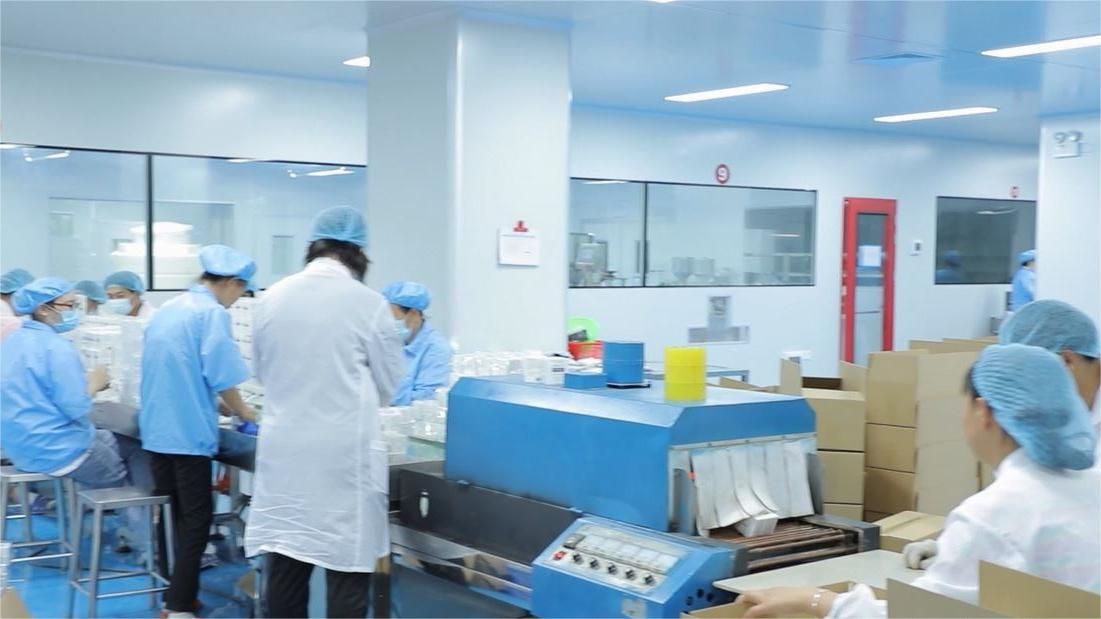
Our manufacturing facility operates under strict quality management systems and is certified with GMPc and ISO 22716 standards. Every stage of production, from raw material sourcing to finished product inspection, is carefully monitored to ensure consistent quality, safety, and performance.
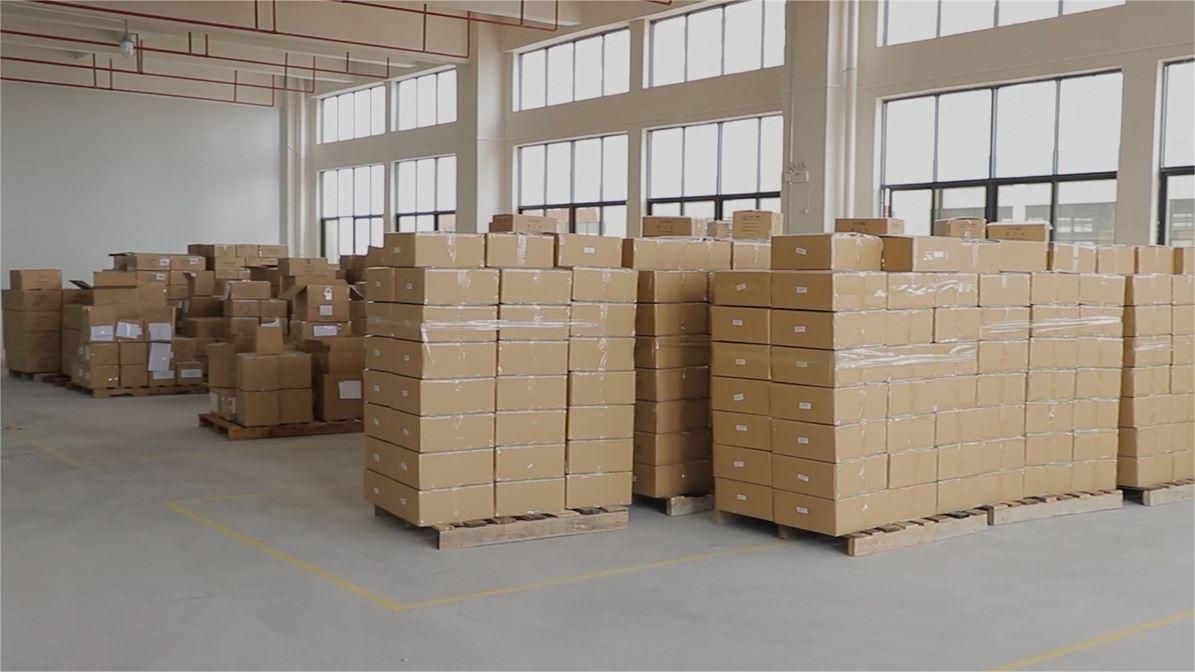
Inside Our GMPc Standard Production Lines
Strategic Advantages of Sourcing from China
China is no longer just a high-volume manufacturing center; it has become the global nucleus of beauty formulation innovation, raw material sourcing efficiency, and logistical supremacy. Sourcing dual finish foundations and setting powders from factories in industrial zones such as Shenzhen offers deep structural benefits to global brands:
Vertical Supply Integration
Within a 50-kilometer radius, Chinese manufacturers have direct access to premium chemical plants (silicones, colorants, emulsifiers) and world-class packaging engineering firms. This eliminates multi-stage international freight costs for components and shortens pre-production cycles significantly.
State-of-the-Art Laboratory Tech
Top factories employ high-shear powder mixers, jet mill pulverizers, and automatic laser shade-matching software. These tools ensure that pigments are ground down to sub-micron sizes, which is crucial for preventing patchiness when the product is applied wet.
Rigorous Regulatory Alignment
Modern factories maintain cleanrooms certified to ISO 22716:2007 (GMP Cosmetics) standards. They can generate complete Product Information Files (PIF) and Safety Data Sheets (SDS) for immediate compliance with FDA, CPNP, and Health Canada requirements.
For cross-border brands, speed is a vital metric of success. The robust supply chain ecosystem allows Chinese OEM/ODM companies to execute high-volume runs of private label foundations with minimal lead time. From a standard 45-day formulation approval window, raw materials and primary packaging are consolidated in real-time, resulting in accelerated launch windows that Western manufacturers struggle to match.
Key Industry Trends & Product Evolution
The beauty industry is undergoing rapid transformations driven by clean beauty initiatives, inclusivity, and smart cosmetic tech. Dual finish foundations sit at the intersection of these trends, demanding updated formulations from suppliers:
1. Talc-Free and Clean Mineral Bases
With increasing regulatory oversight on talc contamination, premium buyers are demanding formulations based on synthetic mica (Fluorphlogopite), boron nitride, and zeolites. These alternatives offer a safer profile, superior slip, and higher transparency, avoiding the "chalky" appearance common in older generation powder products.
2. Inclusivity and Deep Shade Matching
A critical E-E-A-T criterion for modern cosmetics is shade representation. Advanced factories leverage synthetic iron oxides to construct stable undertones (olive, warm, cool, neutral) without graying out on deep skin tones. Standardizing shade ranges for diverse global markets is a key area where R&D depth delivers a distinct edge.
3. Infusion of Active Skincare Ingredients
The "skinification" of makeup means consumers expect their foundations to actively improve their skin. Modern dual-finish bases are enriched with active botanicals, such as Rich Acai Extracts for antioxidant protection, niacinamide for brightening, and squalane to maintain moisture levels during the drying phase of wet application.
Localized Application & Formulation Blueprint
Formulating a single product that works globally is a common mistake. Consumer skin types and weather conditions vary dramatically by region. Suppliers must adjust the active binders and hydrophobic qualities of their dual finish bases to suit localized demands:
| Target Region | Dominant Climate | Key Consumer Pain Point | Optimized Formulation Strategy | Recommended Application |
|---|---|---|---|---|
| North America | Temperate / Varied | Long-wear, transfer resistance, and multi-shade availability. | High-percentage silicone-treated pigments with silica for oil absorption. | Dry for everyday light matte; Wet for full evening coverage. |
| Western Europe | Cool / Dry | Dry skin patches, fear of heavy "mask" look, clean-label demand. | Talc-free synthetic mica base infused with plant-based squalane and natural binders. | Damp sponge application for a sheer, dewy, skin-like finish. |
| Middle East | Extreme Heat & Humidity | Makeup melting, oxidation, and sebum breakdown. | High density dry-process binder matrix with amino-acid treated waterproof pigments. | Wet sponge application for heavy, matte, 24-hour heatproof coverage. |
| Southeast Asia | Tropical / Monsoonal | Clogging pores, heavy sweat, and UV damage. | Ultra-fine micronized zinc oxide/titanium dioxide blend for physical SPF, oil-control silica. | Dry puff application for quick touch-ups and instant shine control. |
Macro Solutions: Strategic Supply Chain Management
For sourcing executives, procuring cosmetics goes far beyond matching a shade sample. It involves maintaining a resilient, regulatory-compliant pipeline that minimizes geopolitical, logistical, and environmental risks. A strategic sourcing blueprint should integrate the following metrics:
1. Compliance & Transparency
Ensure the supplier provides full batch traceability for heavy metals (lead, arsenic, mercury) and complies with the FDA’s MoCRA (Modernization of Cosmetics Regulation Act) requirements. Regular audits of manufacturing facilities are mandatory.
2. Packaging Innovations
Eco-conscious consumers demand sustainable solutions. Seek partners offering refillable dual finish compacts, PCR (Post-Consumer Recycled) plastics, and FSC-certified paper outers without compromising the airtight seals needed to keep powder fresh.
3. Logistics & Lead-time Buffer
Mitigate ocean shipping delays by working with factories located near global shipping hubs like Shenzhen and Hong Kong. Establish structured release agreements (blanket orders) to lock in raw material prices and secure production capacity.
By shifting to an ODM model where the factory handles formulation, container testing, and primary packaging procurement, brand managers can concentrate capital on brand building and consumer acquisition. Shenzhen TPL Beauty Co., Ltd. acts as an extension of your company's own R&D and supply chain teams, absorbing the technical burden of regulatory compliance and manufacturing scale-up.
Frequently Asked Questions (FAQ)
Advanced Cosmetic Formulation Portfolio