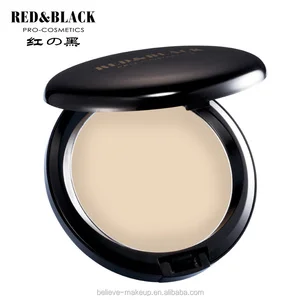
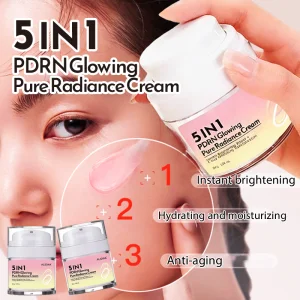
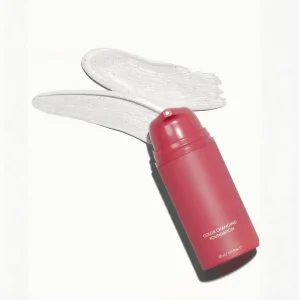
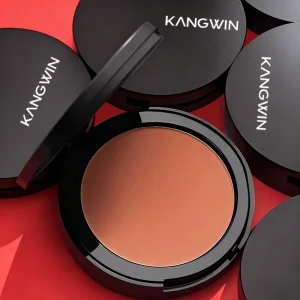
Featured Innovations in Natural Finish Formulations
1. Understanding the B2B Surge in "Natural Finish" Cosmetics
In the global beauty landscape, the shift toward a "second-skin" aesthetic has evolved from a transient trend into a permanent consumer demand. Modern cosmetic shoppers are steering away from heavy, cakey, theatrical coverage in favor of formulas that deliver subtle enhancement—what the industry refers to as the Natural Finish. For global brands, selecting the right manufacturing base in China is the critical component of capitalising on this paradigm shift.
A true natural finish formulation demands a delicate balance of science and aesthetics. It must maintain skin hydration, regulate sebum production, reflect light naturally, and remain color-true throughout the day without oxidising. Achieving this necessitates advanced emulsification technologies, micronised mineral pigments, and highly stable oil-in-water or water-in-silicone matrices that only elite-level manufacturing facilities can deliver consistently.
Information Gain Index: Unlike standard cosmetics manufacturers, top-tier factories in Shenzhen, China (such as Shenzhen TPL Beauty Co., Ltd.) combine active dermatological skincare ingredients—such as hyaluronic acid, squalane, and physical sun protection factors (SPF)—with weightless color systems. This hybrid approach caters directly to the clean-beauty and "skin-first" buying intent dominant across North America and Europe.
2. Technical Formulation Roadmap & Future Outlook
The secret to a weightless feel lies in high-shear emulsification systems. Top factories utilize sub-micron level homogenizers to reduce emulsion droplet size. This guarantees that when applied, the product forms a cohesive, ultra-thin, breathable lattice structure on the stratum corneum rather than clogging pores.
Uncoated pigments tend to absorb natural facial oils and clump, leading to oxidation and color shifts. Advanced factories employ triethoxycaprylylsilane or amino acid coatings on Titanium Dioxide and Iron Oxides. This optimizes dispersion, ensures hydrophobicity, and guarantees true-to-tone shade fidelity on diverse skin tones.
Regulatory shifts and ethical consumerism dictate the exclusion of silicones, parabens, and animal-derived emollients. Sourcing partners are transitioning to bio-mimetic lipid components, plant-based squalane, and natural fermentation-derived preservatives to preserve shelf-life while upholding strict vegan certifications.
Research & Development Focus: SPF Integration
One of the highest technical thresholds for natural finish cosmetics is integrating mineral sunscreens (SPF 30 to SPF 50+) without creating a chalky white cast. This is particularly vital for products formulated for dark skin tones. Top Chinese research laboratories utilize nano-dispersed zinc oxide alongside organic filters to retain absolute transparency while offering broad-spectrum UVA and UVB defense.
3. China Industry 4.0: Supply Chain Resilience & Efficiency
The Chinese cosmetics manufacturing hub has transitioned from low-cost manual assembly to highly automated, digitally integrated, smart facilities. This transition has redefined the cost-to-quality ratio for international brands looking to scale their operations.
Smart Batching
Automated bulk weighing systems remove human error margins, guaranteeing that viscosity, shade batching, and active ingredient percentages remain consistent across million-unit runs.
Rapid Prototyping
With dedicated in-house R&D laboratories, cosmetic color-matching turnarounds are shortened from months to weeks, matching the hyper-accelerated speed of digital e-commerce trends.
Optimized Logistics
Located in the Pearl River Delta industrial cluster, factories enjoy immediate access to high-quality glass, custom post-consumer recycled plastic packaging, and optimized shipping lanes.
Dynamic Capacity
Scalable filling lines can easily pivot from low minimum order quantity (MOQ) pilot runs to high-velocity replenishment phases during peak seasonal demand.
4. Inside the Facility: OEM/ODM Production Workflow
An inside look at the 11 key operational stages deployed by Shenzhen TPL Beauty Co., Ltd. (Established 2009). Operating under strict GMPc and ISO 22716 standards, this meticulous process ensures that each batch satisfies international quality guidelines.
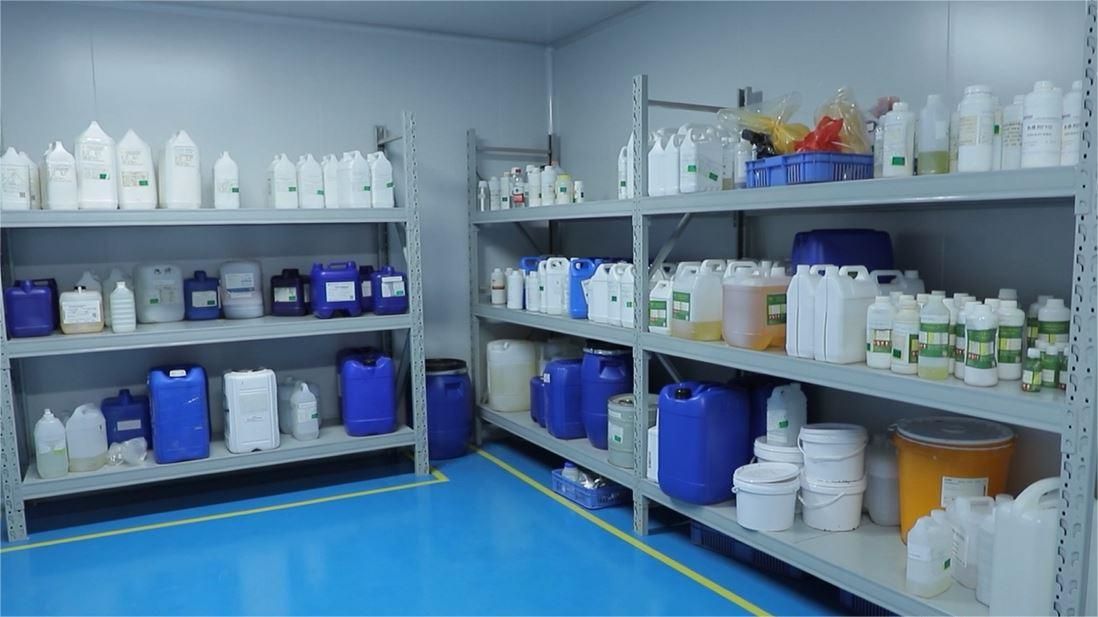
Sourcing certified clean, stable cosmetic ingredients and raw components globally.
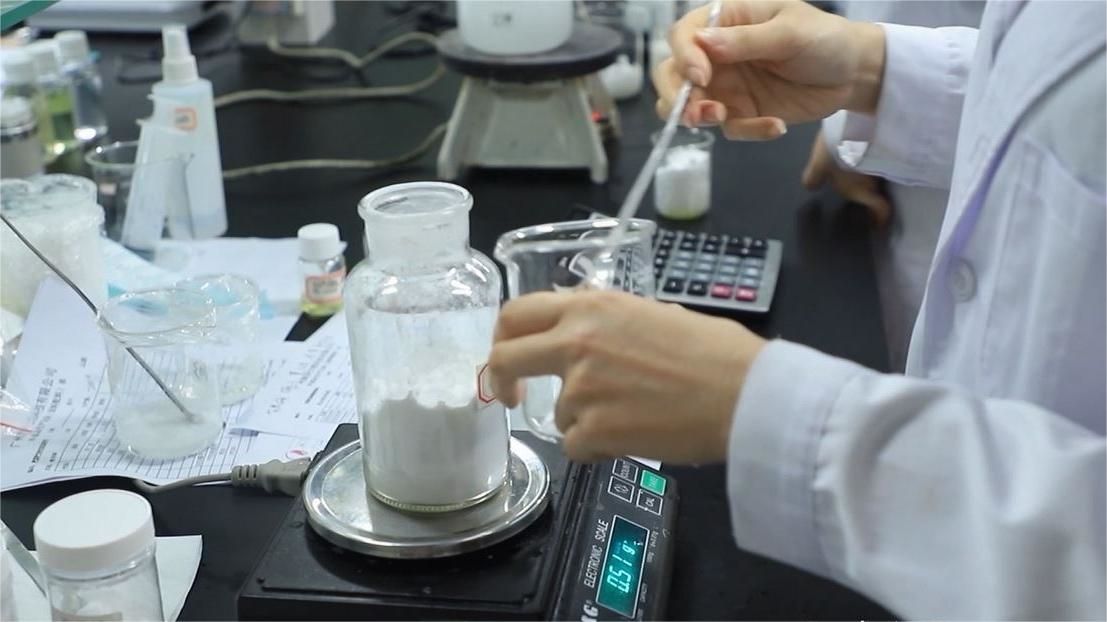
Employing high-accuracy micro-scales to ensure formulation integrity.
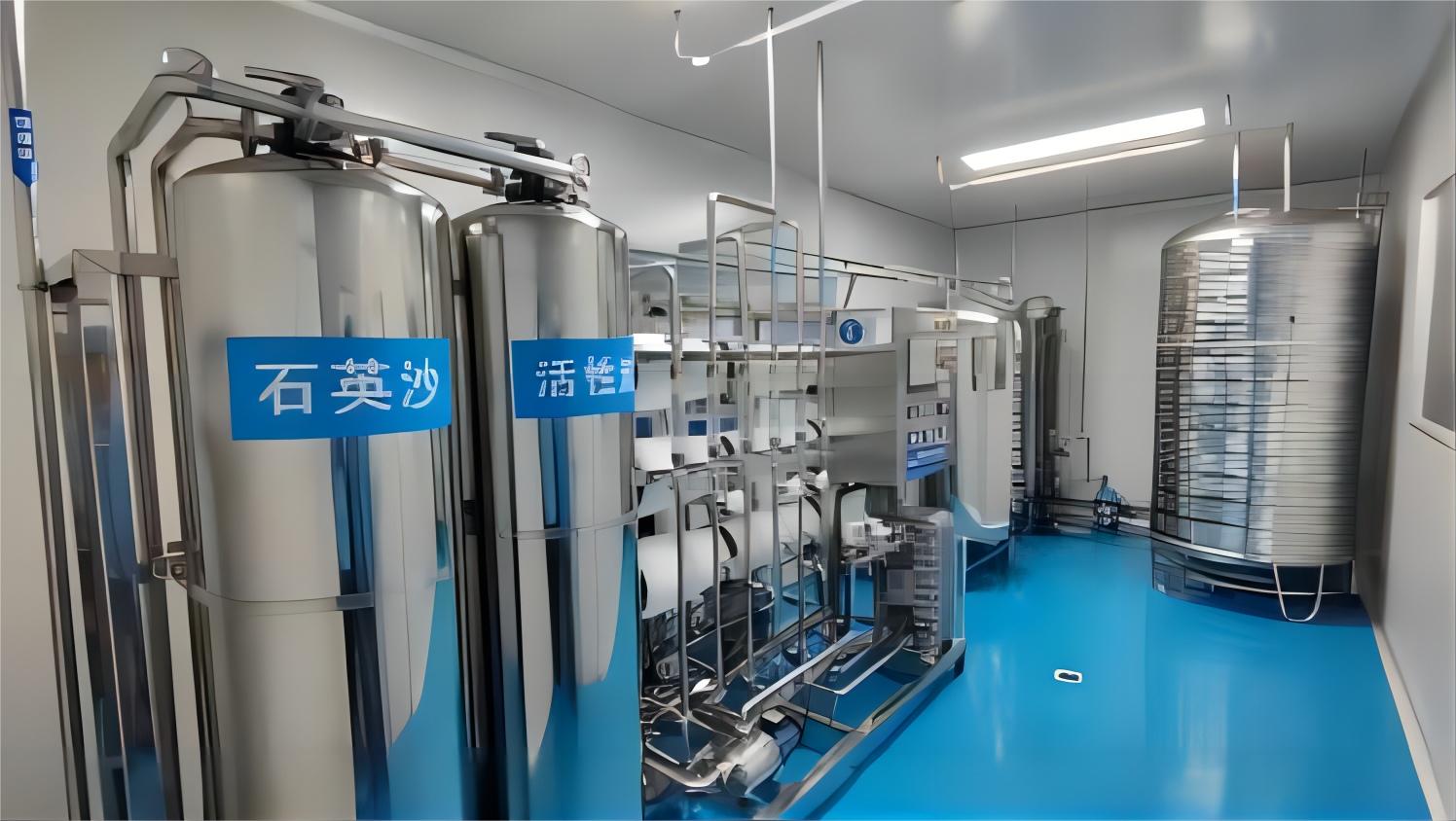
Multi-stage reverse osmosis filtration systems to prevent microbial contamination.
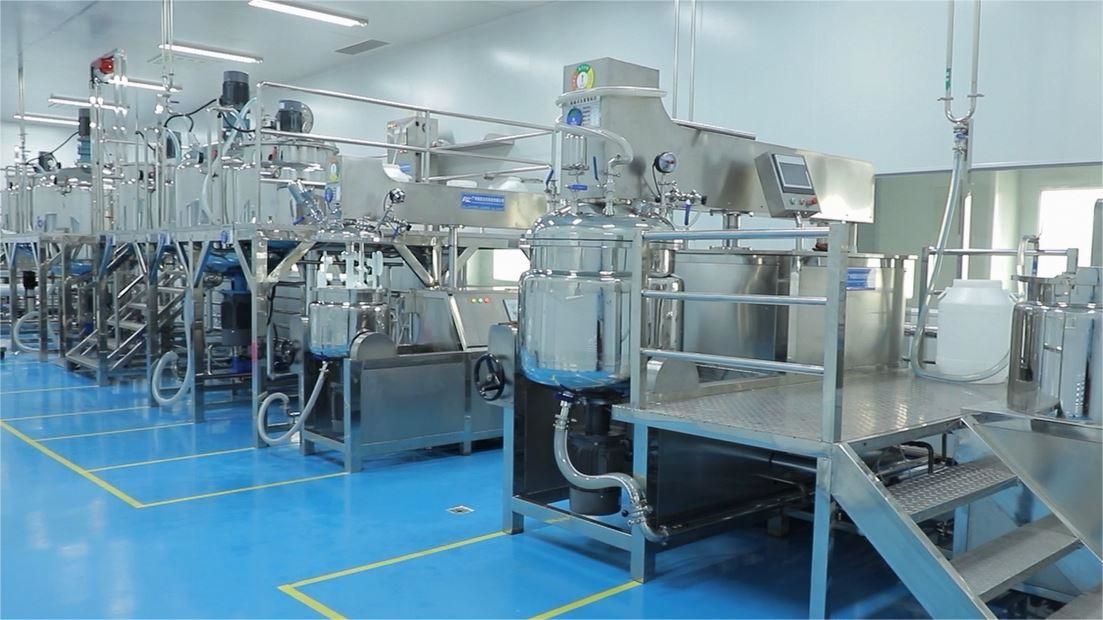
High-shear vacuum homogenizers create smooth, stable textures.
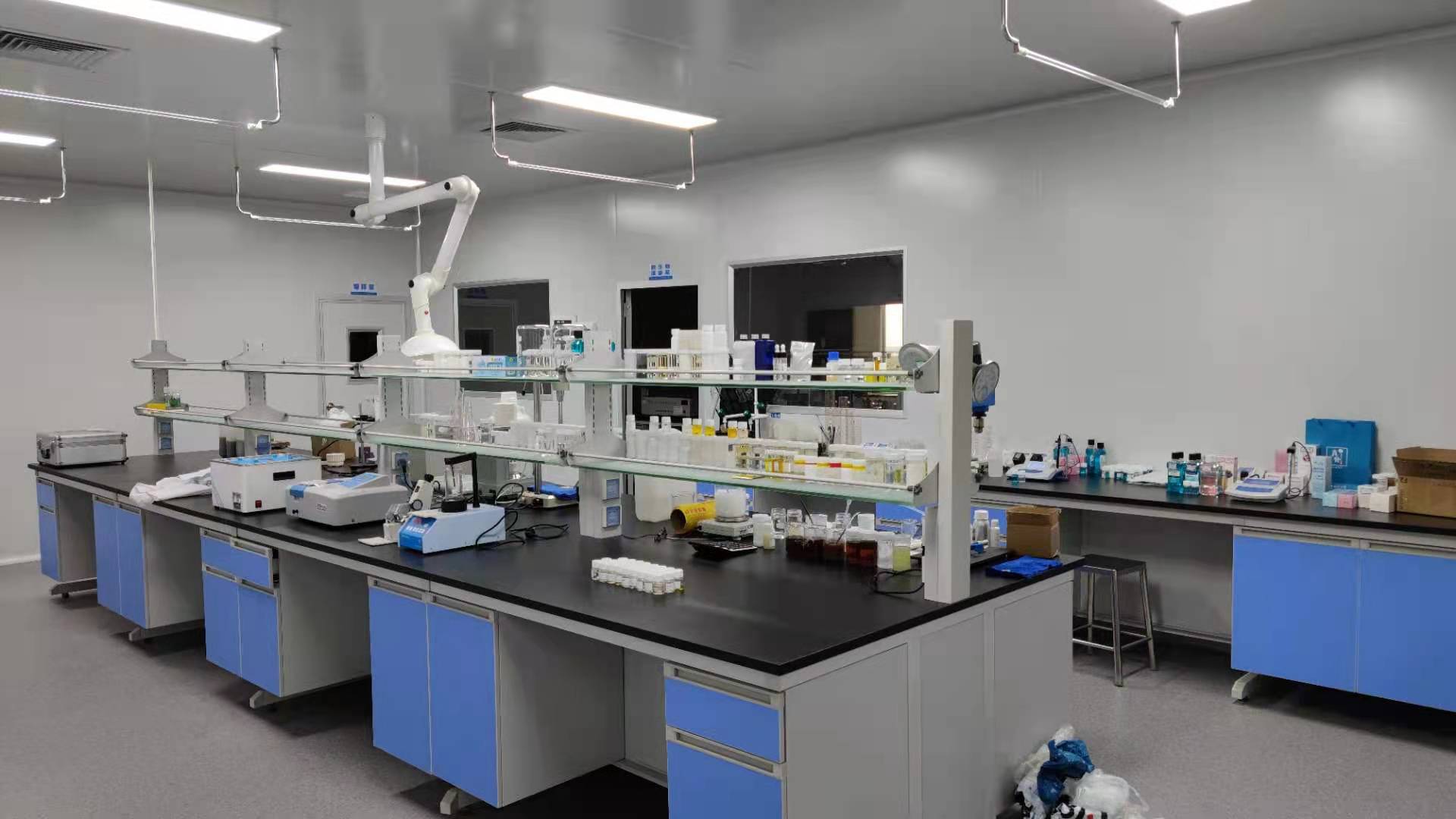
Comprehensive testing of pH, viscosity, stability, and shade alignment.
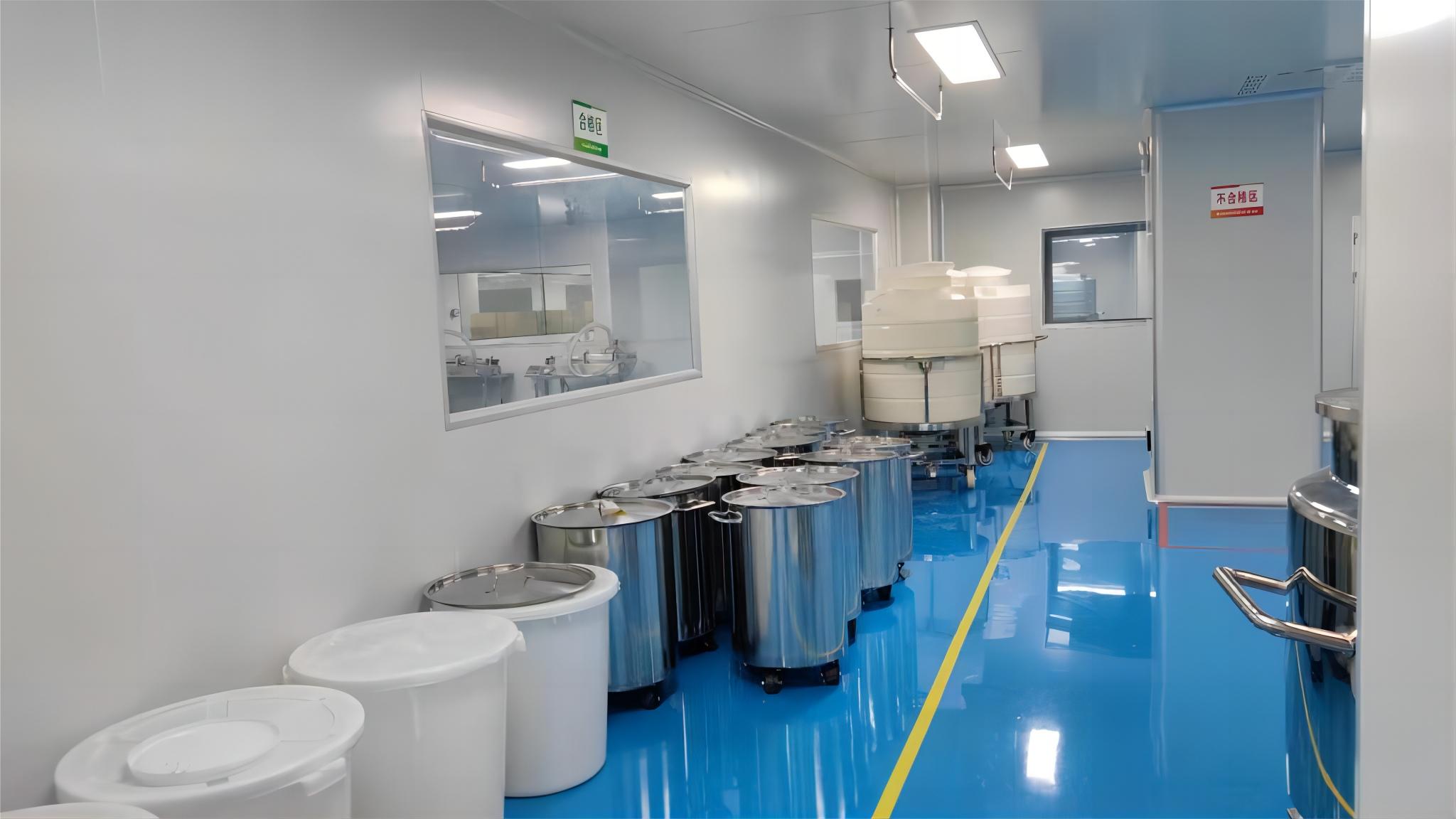
De-aeration and stabilization phase for consistent cream structures.
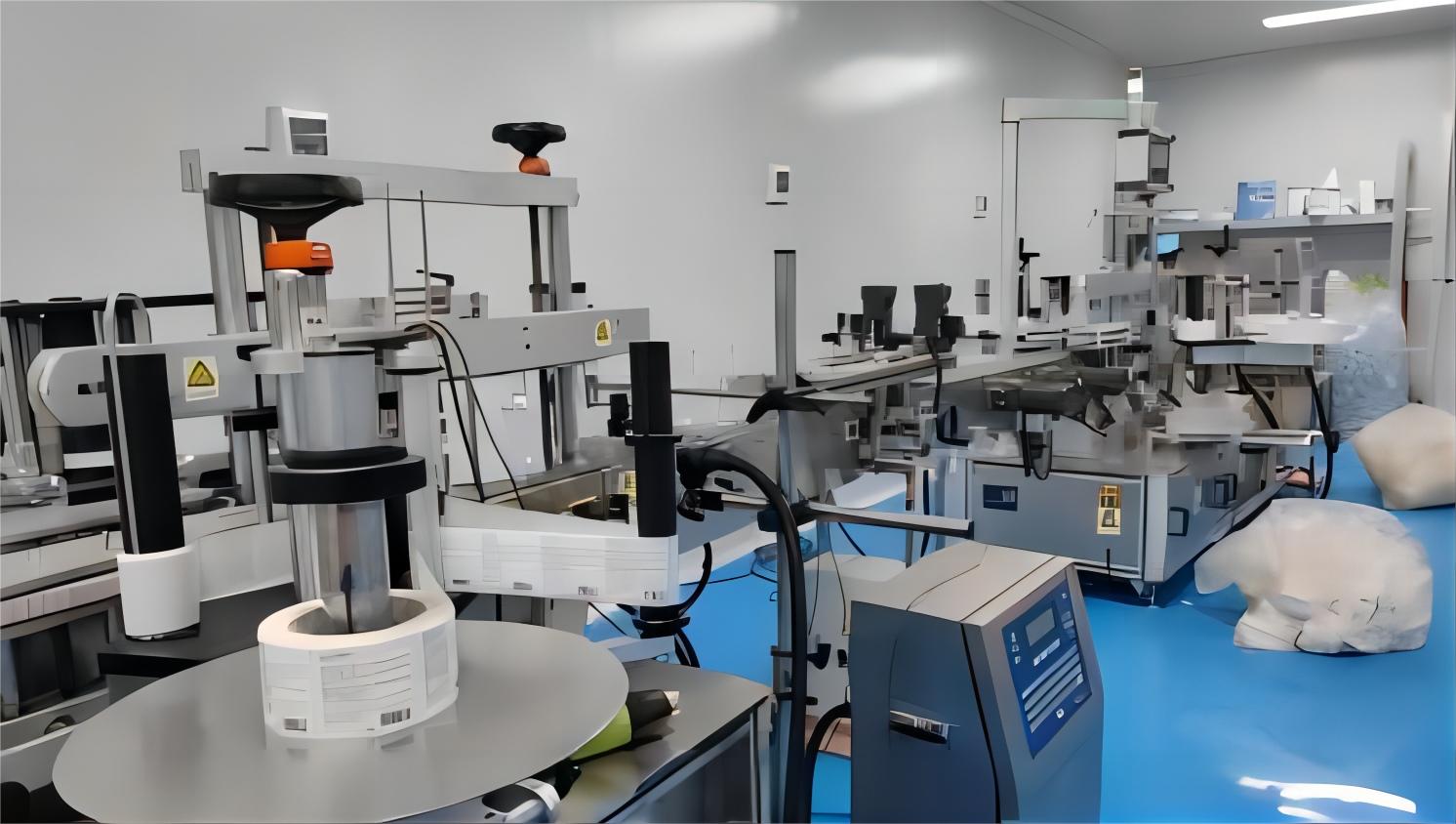
Automated laser batch coding for absolute supply-chain tracking.
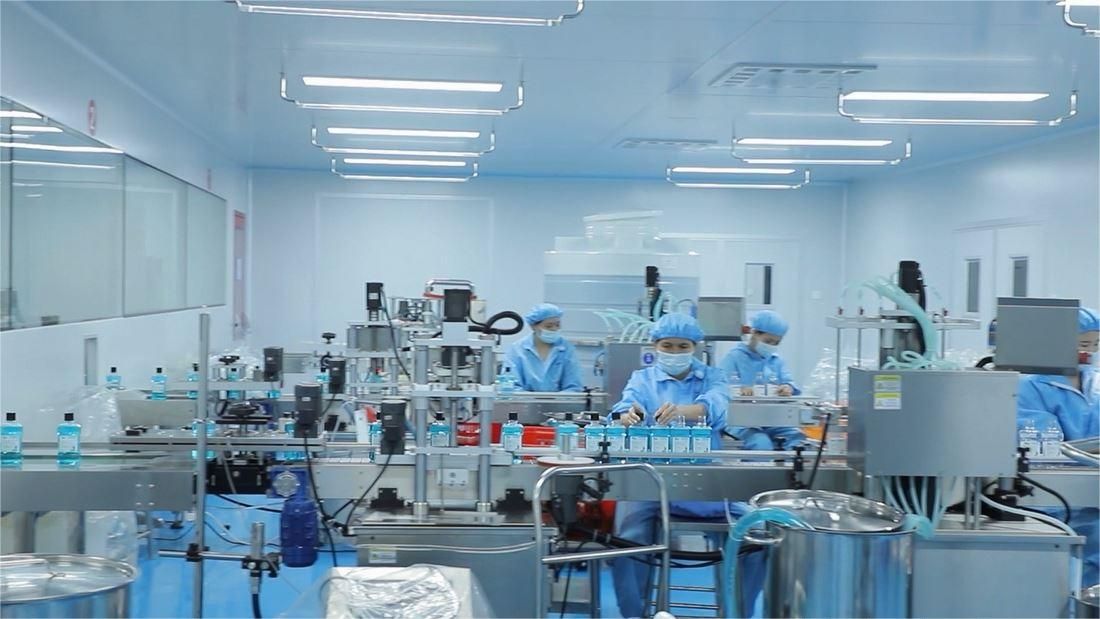
Aseptic filling lines protect against contamination and preserve active ingredients.
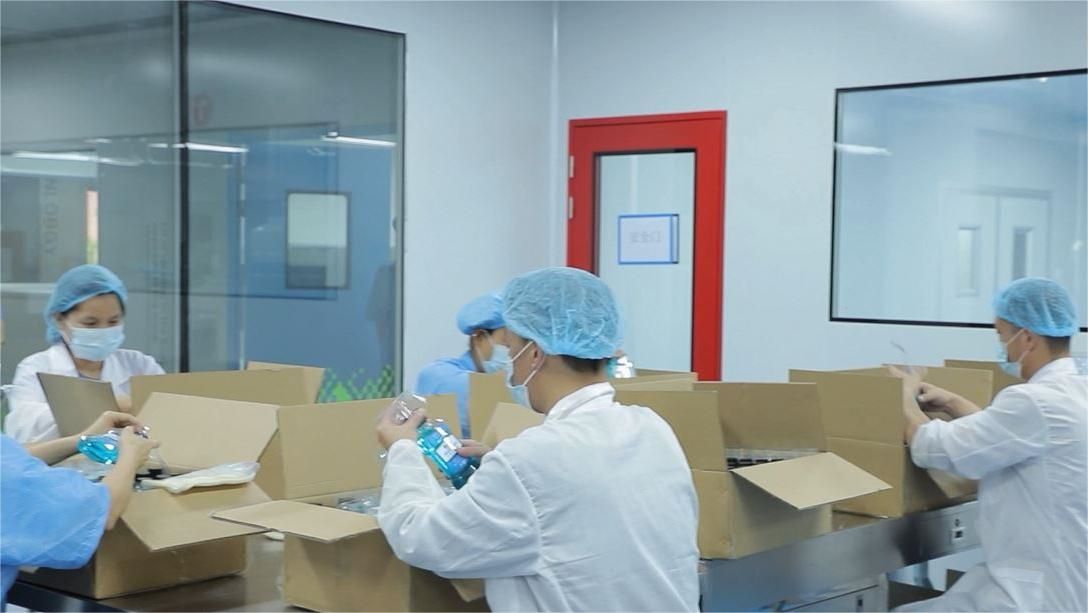
Multi-point physical inspections guarantee defect-free product packaging.
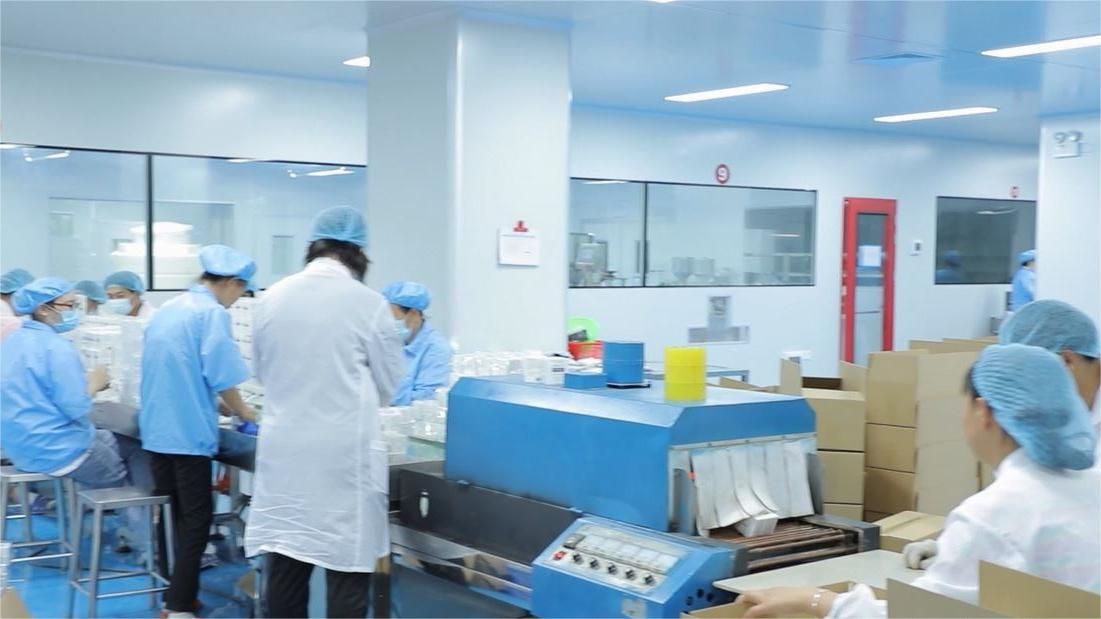
Applying external retail boxes and protective cellophane wrapping.
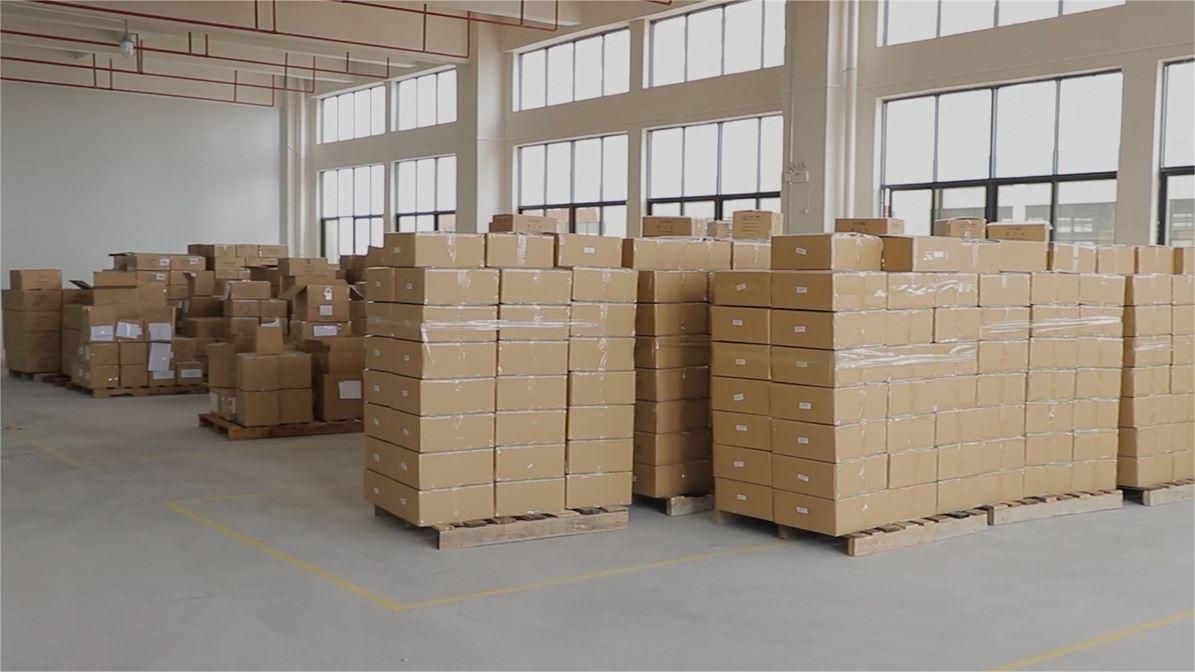
Secure palleted packing prepared for global customs and container dispatch.
5. Compliance, Certification & EEAT Principles
E-E-A-T (Experience, Expertise, Authoritativeness, and Trustworthiness) is not just a search engine standard; it is the cornerstone of responsible cosmetics sourcing. Importing cosmetics into highly regulated regions requires robust proof of quality and safety.
EU Regulations & REACH
All manufactured formulations are audited to satisfy European Union Cosmetic Regulations. Raw ingredients are evaluated under REACH protocols to guarantee clean, non-toxic beauty products.
FDA & OTC Standards
For foundations containing active physical sunscreens (SPF), formulations strictly comply with FDA OTC Monograph rules. Every batch undergoes validation testing to confirm SPF effectiveness.
CA Proposition 65 Compliance
Rigorous heavy metals testing ensures that lead, arsenic, and cadmium traces fall far below California Proposition 65 limits, safeguarding your brand against liability.
To ensure complete supply chain transparency, Shenzhen TPL Beauty Co., Ltd. provides full documentary portfolios including Material Safety Data Sheets (MSDS), Certificate of Analysis (COA), safety assessment reports, and product stability data. Partnering with a manufacturer that pre-emptively satisfies these regulatory requirements saves international brands months of customs delays and ensures smooth market entry.
6. Global Sourcing Strategies for High-Growth Cosmetics Brands
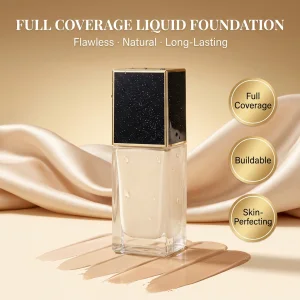
Navigating international supplier matrices requires a structured strategy. Global purchasing managers must evaluate cost-efficiency alongside long-term product quality and brand integrity. When sourcing natural finish foundations and concealers, consider the following technical variables:
Viscosity Control & Rheology
Liquid foundations require balanced rheology. If viscosity is too low, the product settles and separates in the bottle; if too high, it becomes difficult to pump and feels heavy. Dynamic testing laboratories run continuous shear stress and viscosity profiling to make sure your product remains stable under temperature fluctuations during transit.
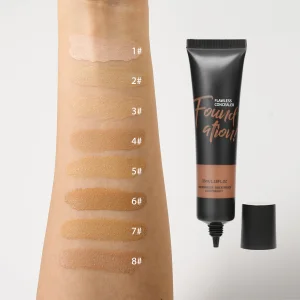
Inclusive Shade Matching Matrix
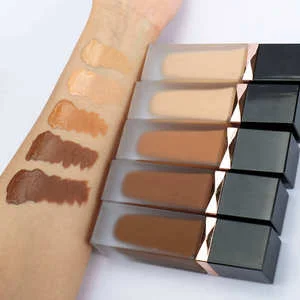
E-commerce success rests heavily on shade inclusivity. Modern buyers search for exact shade matches, specifically deep skin tones. Selecting a manufacturer that offers an extensive catalog of dark skin tone formulas (featuring complex warm, cool, and neutral undertone systems) eliminates the risk of alienating key consumer segments.