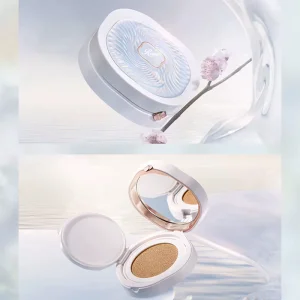
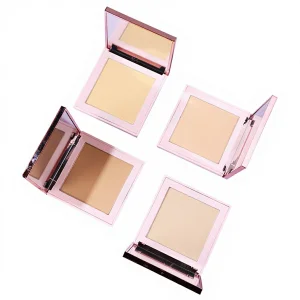
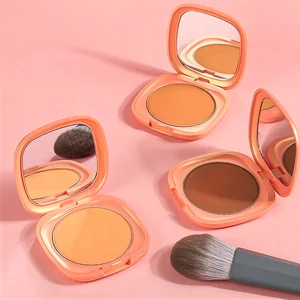
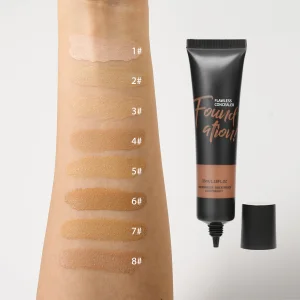
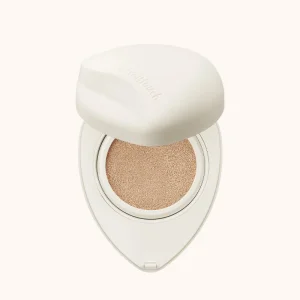
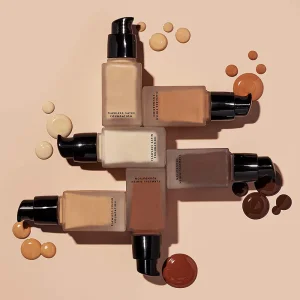
Premium Anti-Redness & Correcting Foundations
Explore our leading private label and OEM/ODM custom formulations designed for global distribution and targeted color correction.
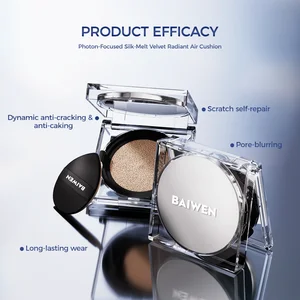
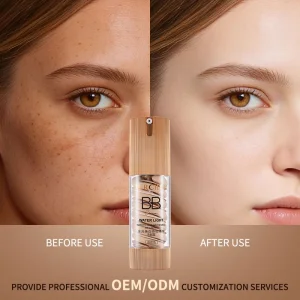
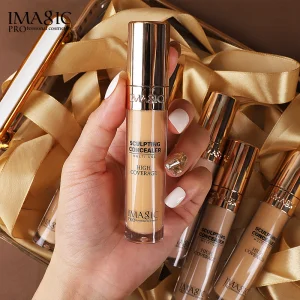
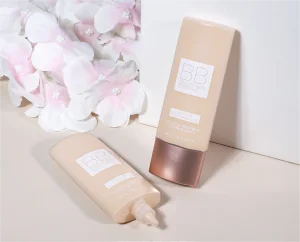
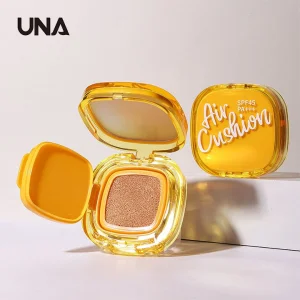
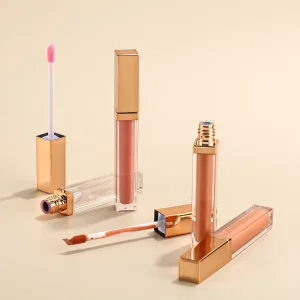
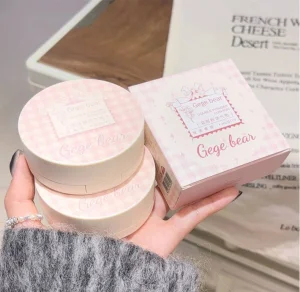
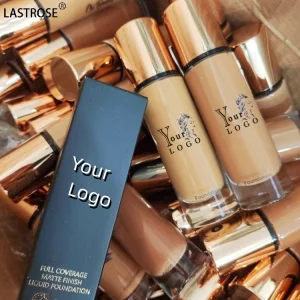
Executive Summary: The Evolution of Color-Correcting & Anti-Redness Complexion Solutions
The global cosmetics landscape is undergoing a structural paradigm shift. No longer is makeup viewed merely as a surface-level aesthetic camouflage; it is increasingly defined as a continuation of clinical skincare. At the focal point of this transformation lies the anti-redness foundation—a high-tech, multifunctional hybrid formulation designed to address erythema, rosacea, inflammatory acne, and post-procedural micro-irritations. According to recent clinical beauty market reports, skin sensitivity and chronic facial redness affect over 40% of adult populations in urban environments, accelerated by environmental pollutants, lifestyle stressors, and compromised skin barriers.
For brand managers, distributors, and sourcing coordinators, finding the ideal manufacturing partner is critical. Developing a stable anti-redness foundation demands specialized chemical expertise. Complexion formulas must successfully suspend color-correcting pigments (specifically green-hued micro-particles and chromium oxides) alongside biomimetic active botanicals without causing formulation phase separation or reducing SPF efficacy. This whitepaper analyzes the key macro-economic, chemical, and regional considerations required to select a top-tier manufacturing partner capable of executing compliant, high-margin product lines.
1. Global Business and Industrial Status of the Anti-Redness Foundation Sector
The anti-redness market segment is growing at a compound annual growth rate (CAGR) of 6.8% within the broader $85 billion global liquid foundation market. This growth is heavily driven by B2B demand for private-label skin-healing cosmetic solutions. Geographically, North America and Europe dominate the consumption phase due to the high prevalence of fair skin types prone to rosacea and visible capillaries. However, the Asia-Pacific region is catching up rapidly, driven by the clean beauty boom and the demand for highly breathable, anti-inflammatory "cushion" format foundations.
On the industrial supply side, manufacturers are upgrading facilities to meet medical-grade standards. The integration of GMPc and ISO 22716 certifications is now a baseline requirement rather than a premium selling point. The supply chain has shifted toward a highly integrated model where raw ingredient suppliers work hand-in-hand with custom formulators. This integration ensures that active ingredients, such as *Centella Asiatica* (Cica), Niacinamide, and green tea polyphenols, remain bioactive and stable throughout the manufacturing process and shelf life.
2. Development Trends in Anti-Redness Foundation Technology
To maintain competitive advantages in Google Semantic Search and consumer marketplaces, brands must understand the three pivotal trends dictating product development today:
Microencapsulation Pigments
The transition from flat green pigments to intelligent microcapsules. These microcapsules hold green pigments within a polymer shell that bursts upon friction (application), neutralizing redness dynamically while adapting to the user's natural skin tone.
Clean & Vegan Compliance
Consumers now audit ingredient lists meticulously. Leading manufacturers are eliminating silicones (D4/D5), microplastics, parabens, and synthetic fragrances, replacing them with biodegradable, plant-based lipid matrices.
Hybrid SPF & Blue Light Defense
Since UV radiation dramatically worsens erythema and rosacea, integrating broad-spectrum mineral filters (Titanium Dioxide and Zinc Oxide) without creating a white cast is a non-negotiable tech standard.
3. Showcase Manufacturer Spotlight: Shenzhen TPL Beauty Co., Ltd.
Founded in 2009, Shenzhen TPL Beauty Co., Ltd. is a professional full-service private label cosmetics manufacturer specializing in the research, development, production, and customization of high-quality color cosmetic products for global beauty brands, distributors, retailers, and e-commerce businesses.
Their extensive product portfolio covers a wide range of makeup categories, including eyeshadow palettes, lipsticks, lip glosses, liquid lipsticks, foundations, concealers, blushes, highlighters, bronzers, mascaras, eyeliners, eyebrow products, setting powders, and other innovative beauty solutions. From concept development and formula design to packaging customization and mass production, they provide comprehensive OEM/ODM services tailored to meet diverse market demands.
With extensive experience serving customers across North America, Europe, the Middle East, Southeast Asia, and other international markets, TPL Beauty maintains a deep understanding of global cosmetic regulations and quality standards. All formulations can comply with relevant international requirements, including EU Cosmetic Regulations, REACH, FDA guidelines, and California Proposition 65. The company provides complete documentation support, including product testing reports, safety assessments, MSDS, ingredient documentation, and regulatory filing assistance.
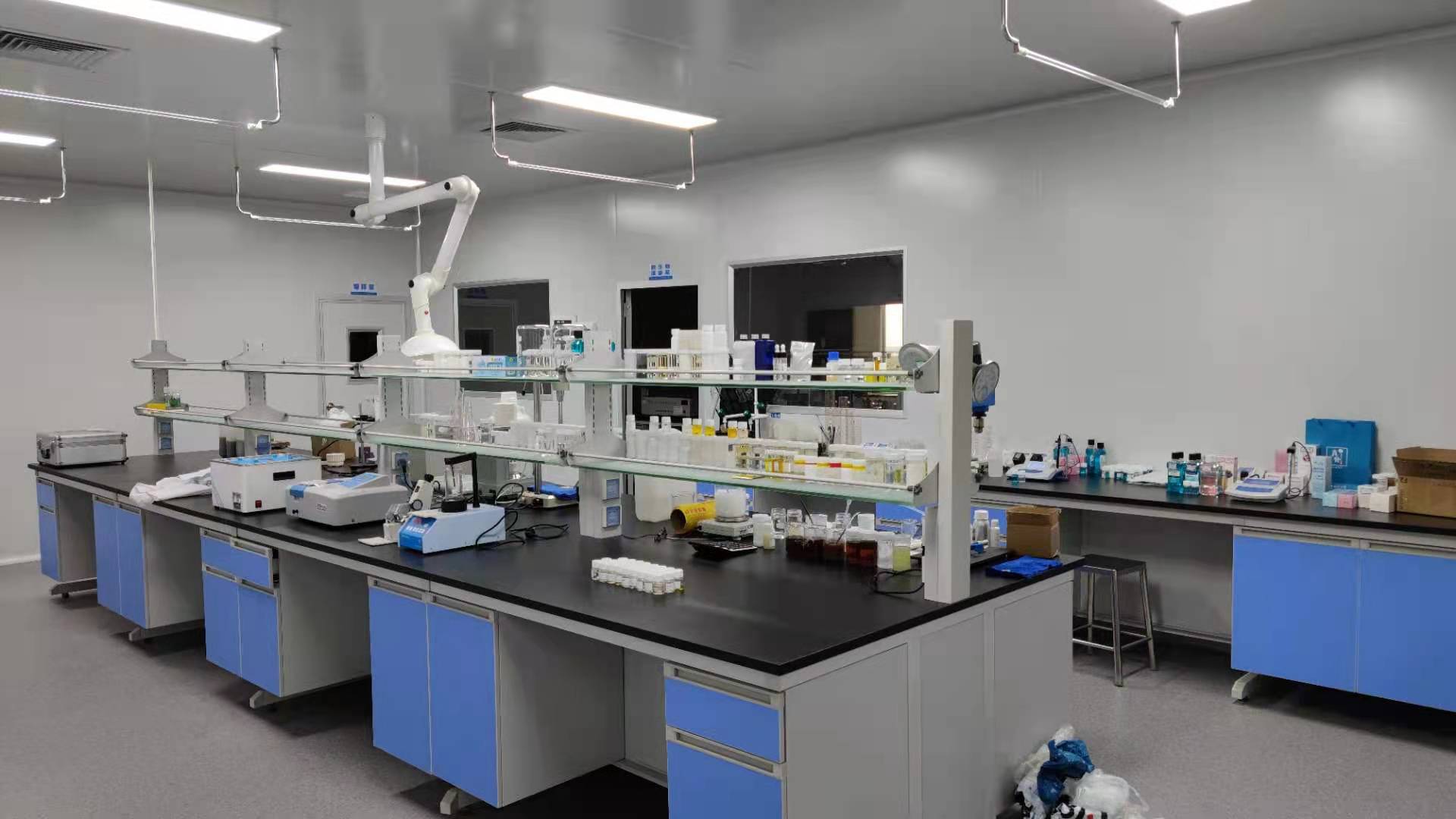
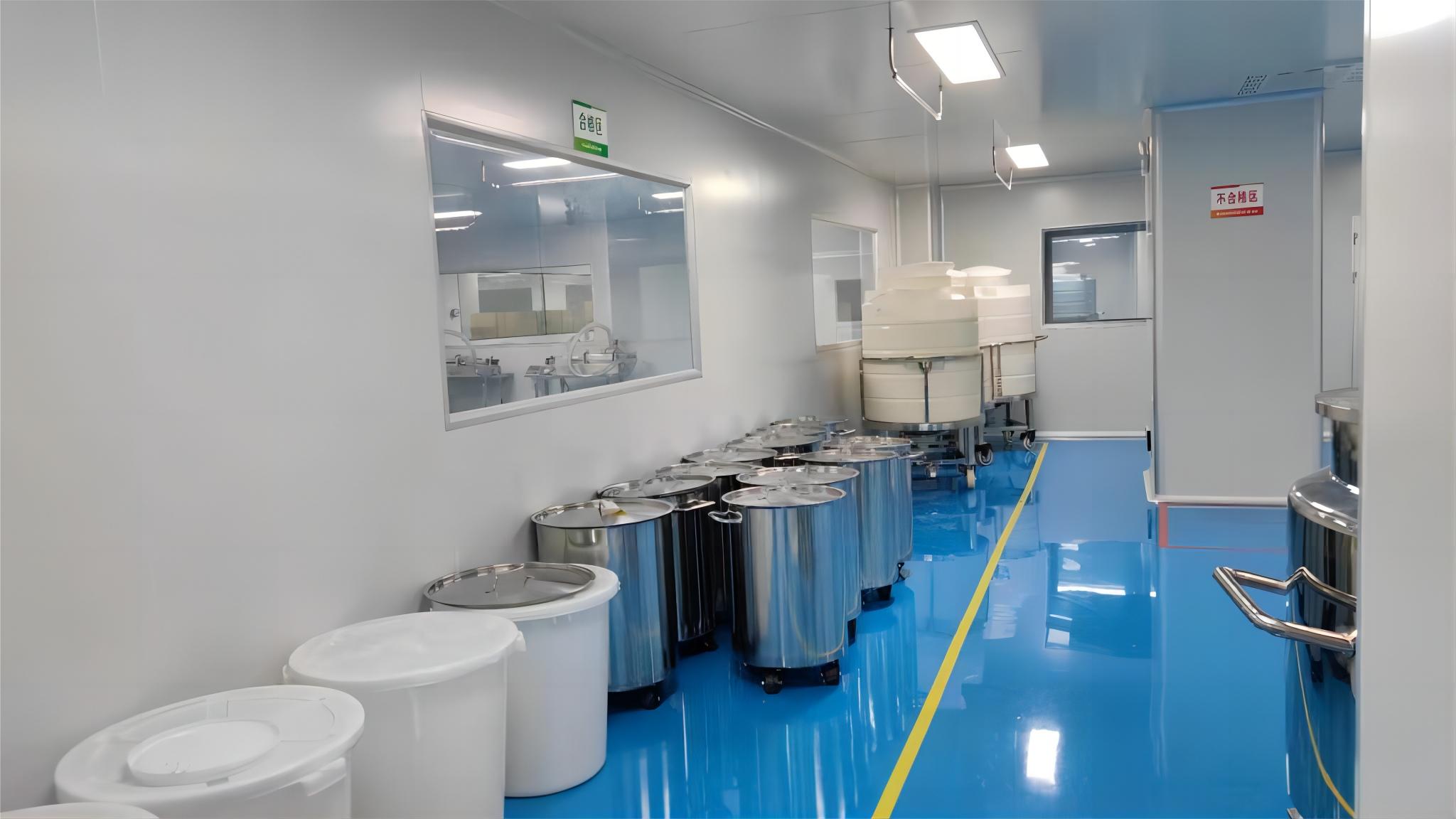
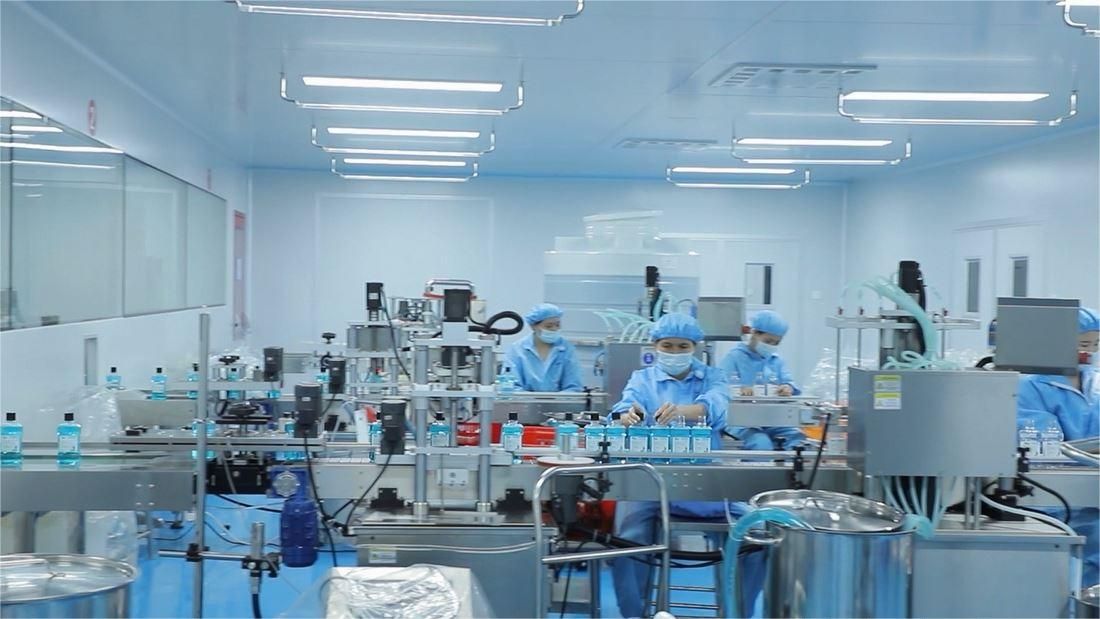
Their manufacturing facility operates under strict quality management systems and is certified with GMPc and ISO 22716 standards. Every stage of production, from raw material sourcing to finished product inspection, is carefully monitored to ensure consistent quality, safety, and performance. TPL Beauty is committed to developing clean, safe, and trend-driven cosmetic products.
The Step-by-Step OEM/ODM Complexion Manufacturing Workflow
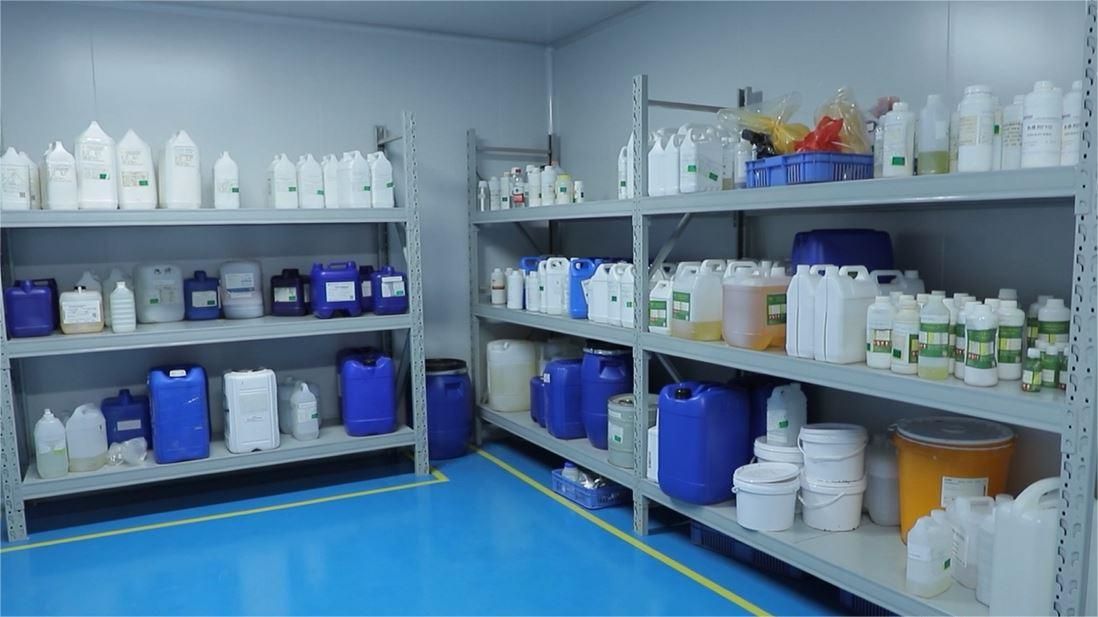
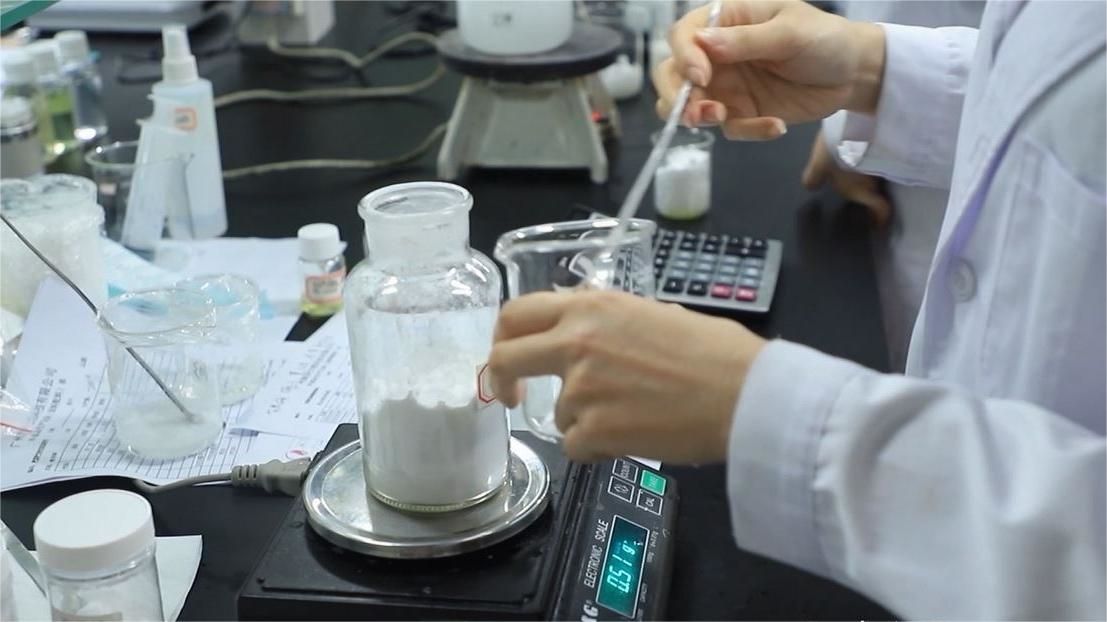
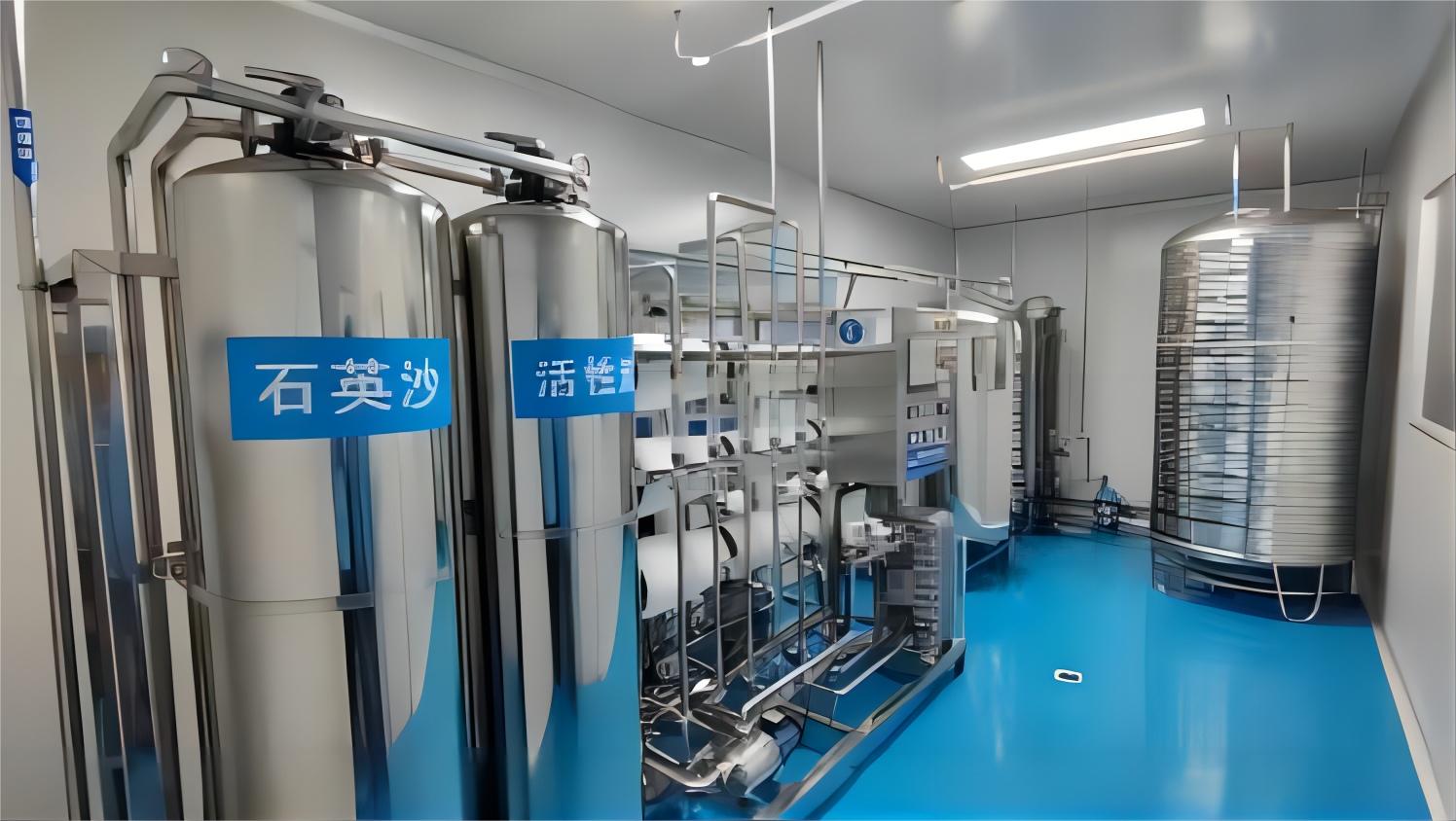
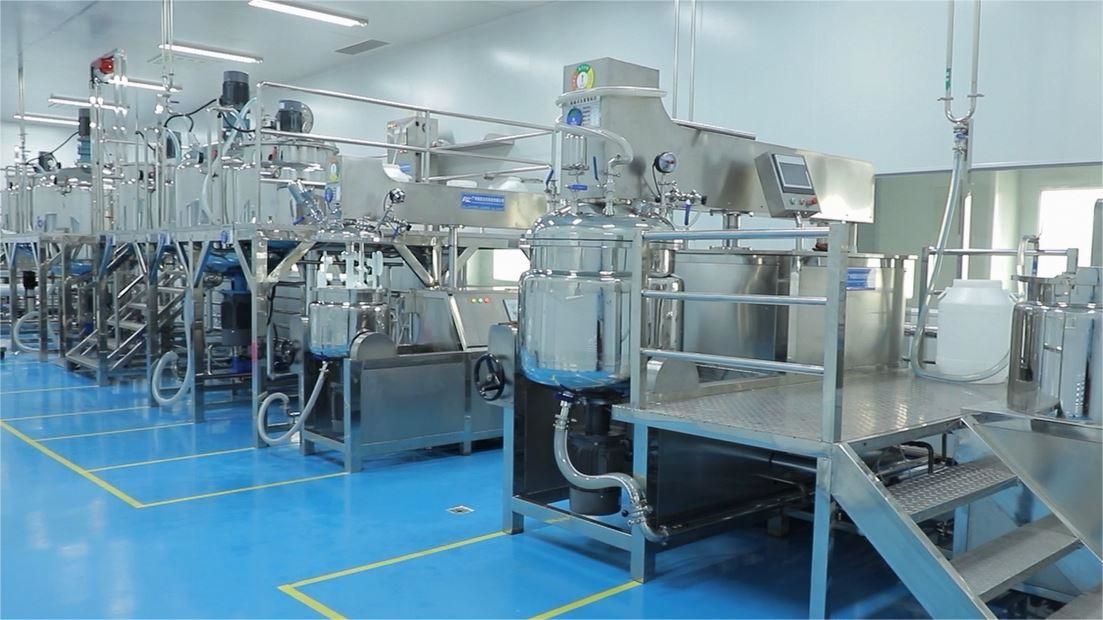
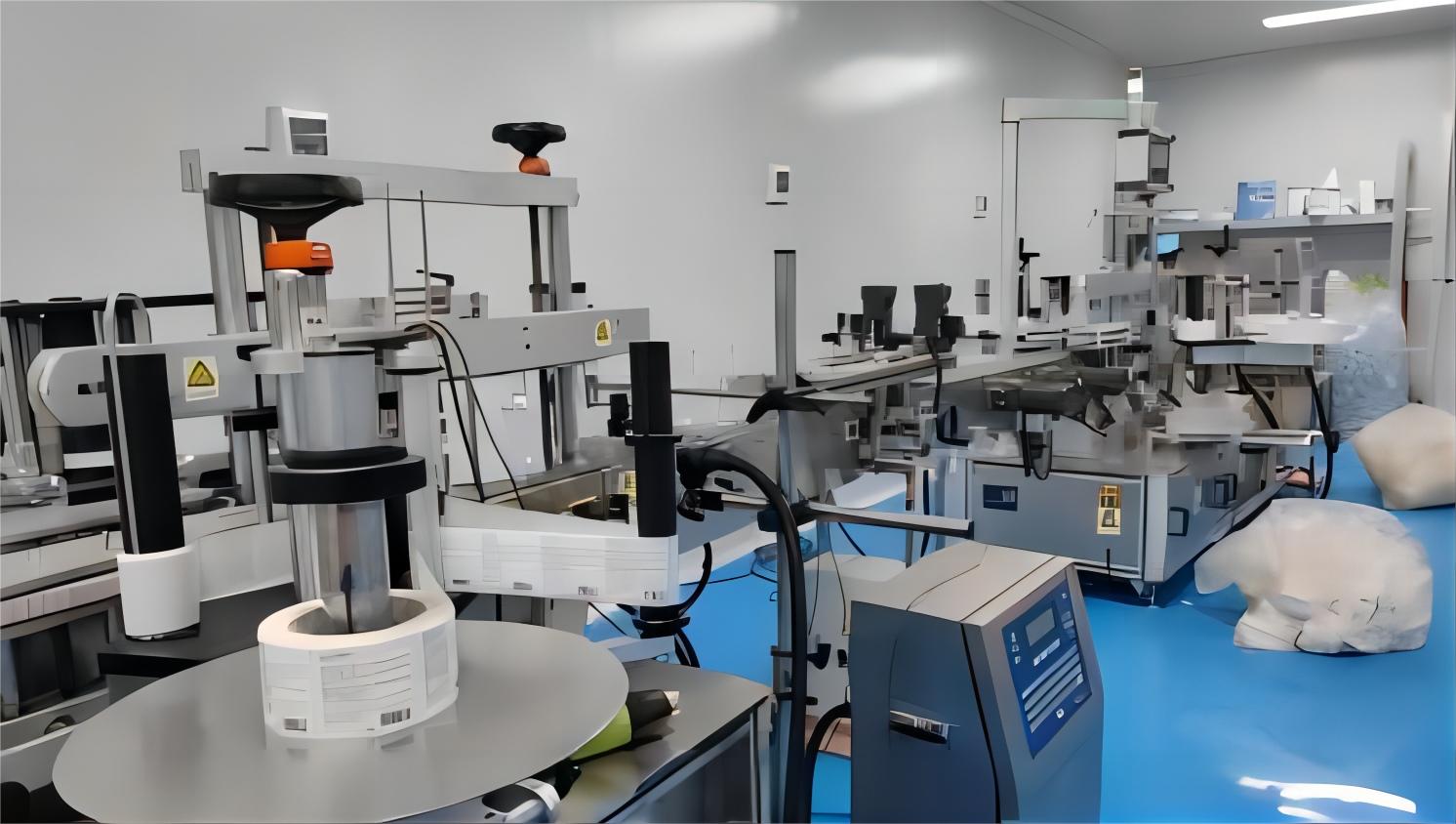
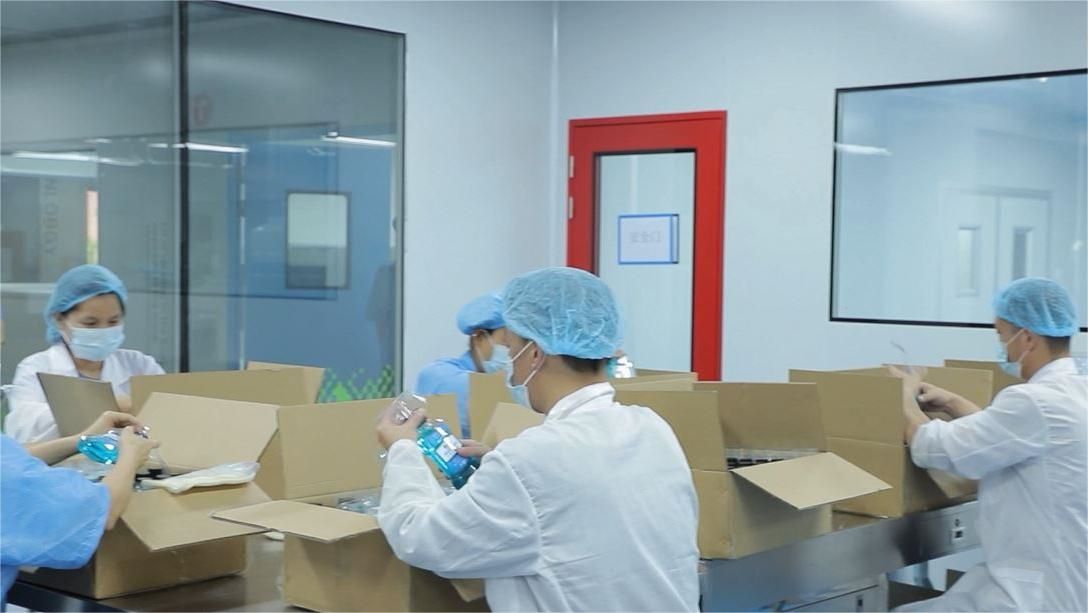
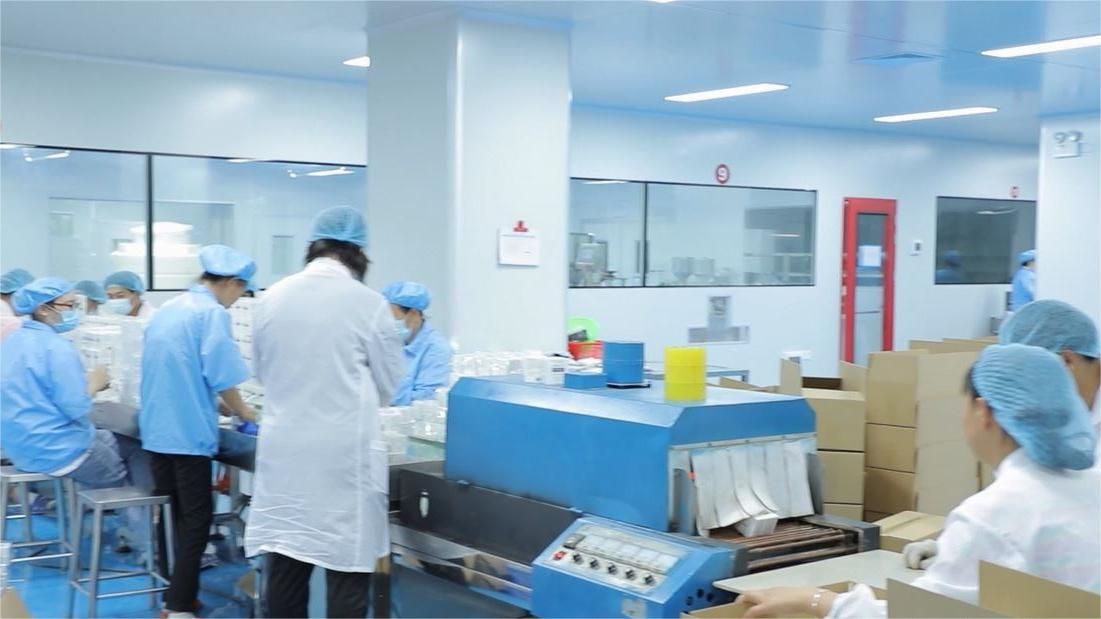
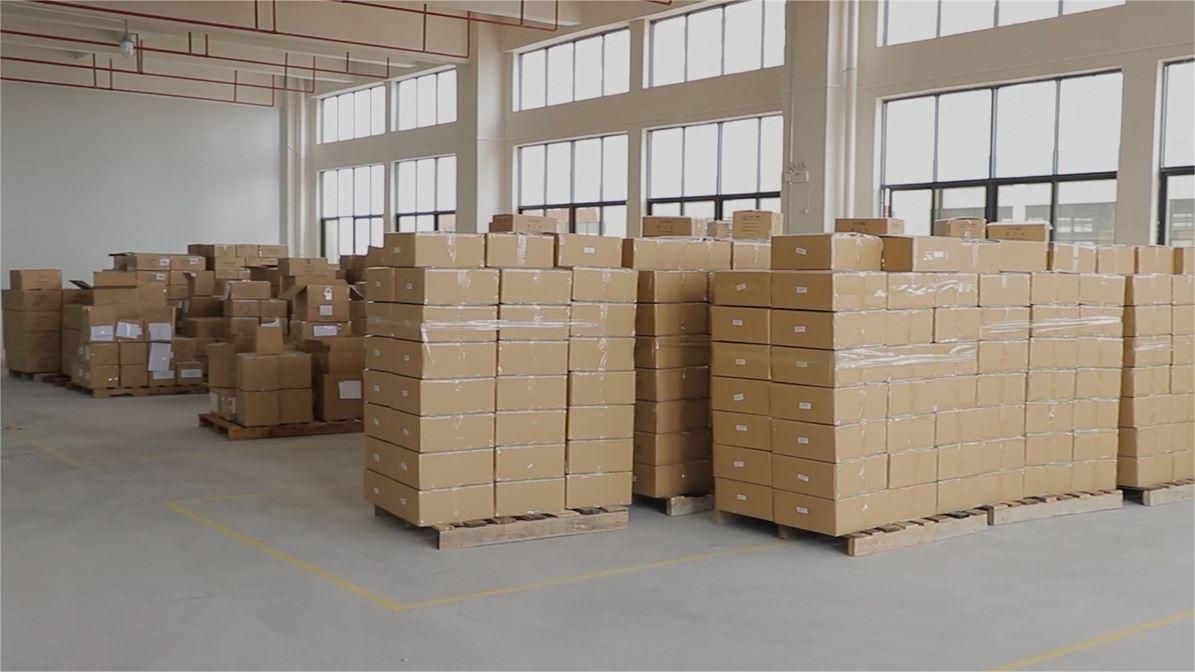
To ensure B2B buyers have complete transparency, TPL Beauty utilizes a highly automated, contamination-free processing cycle. The sequence is illustrated below with their actual facility operations:
4. Localized Application Scenarios for Anti-Redness Formulations
A core requirement of high-ranking semantic content under Google’s Quality Rater Guidelines is demonstrating real-world utility. Different global demographics experience facial flushing under varying circumstances, requiring target-specific formulations:
Scenario A: Post-Clinical Procedural Healing (North America & Western Europe)
In highly developed aesthetic markets, micro-needling, laser skin resurfacing, and chemical peels are common skincare routines. Post-treatment skin exhibits acute erythema. Foundations used in this phase must feature sterile processing, high gas permeability (allowing the skin to "breathe"), and strong anti-inflammatory agents like Bisabolol or Centella Asiatica to mask redness while promoting cell migration and healing.
Scenario B: Extreme Weather Protection (Nordic and Northern Asian regions)
Dry, freezing winds in regions like Canada, Northern Europe, and Northern China cause rapid transepidermal water loss (TEWL) and temperature-induced vascular dilation (rosacea flares). Formulas targeting these regions require a dense Water-in-Oil (W/O) emulsion structure rich in Ceramides and Squalane, establishing a physical protective barrier against the cold while balancing the redness with high-purity green neutralizers.
Scenario C: High-Humidity Heat Resistance (Southeast Asia & Latin America)
Hot and humid climates trigger sebum overproduction, leading to acne-induced redness (post-inflammatory erythema - PIE). Foundations for these regions must be Oil-in-Water (O/W) lightweight fluid textures, using sebum-absorbing clays (Bentonite, Kaolin) and anti-bacterial agents (Salicylic Acid, Tea Tree Extract) to soothe breakouts while offering non-comedogenic color correction.
5. Technical Roadmap and Future Outlook (2025-2030)
The future of color-correcting cosmetics lies in customization and biotechnology. We foresee three major technological leaps that will reshape the manufacturing landscapes:
1. AI-Driven Smart Pigments: Next-generation pigments will change hue dynamically based on the wearer's skin pH and moisture level, adapting green intensity only in zones showing thermal spikes (inflamed or red skin areas).
2. Recombinant Humanized Collagen: Sourcing facilities will integrate bio-fermented collagen directly into liquid makeup, offering simultaneous cellular repair and redness reduction.
3. Waterless Formulations: Due to global sustainability demands, manufacturers are designing dry-powder to liquid foundations or anhydrous balm sticks that minimize preservative load, making them inherently safer for highly sensitive, reactive skin.
Comparison of Conventional vs. Advanced Anti-Redness Formulations
| Feature / Ingredient | Conventional Redness Makeup | Next-Gen Dermaceutic (TPL Standard) | Target Skin Benefit |
|---|---|---|---|
| Primary Color Neutralizer | Flat Chromium Oxide Green | Chitosan-Coated Microencapsulated Pigments | No gray cast; self-adjusting color matching |
| Carrier Matrix | Cyclopentasiloxane (Silicone D5) | Hemisqualane & Coco-Caprylate (Plant Lipids) | Biodegradable, non-clogging skin barrier repair |
| Active Soothing Load | < 0.5% (Claim only) | 3.0% - 5.0% (Cica, Niacinamide, Madecassoside) | Reduces active redness and inflammation over time |
| Preservation System | Phenoxyethanol & Parabens | Bio-based Caprylyl Glycol & Pentylene Glycol | Ultra-low irritation threshold for sensitive skin |
| UV Protection | Chemical Filters (Oxybenzone, Octinoxate) | Non-Nano Zinc Oxide & Titanium Dioxide (SPF 45+) | Mineral barrier reflects heat and UV without irritation |
6. Macro Industry Solutions for Global Brands and Exporters
Navigating the complex global market requires more than just high-quality formulas; it requires a strategic understanding of regional compliance barriers. Sourcing departments must evaluate potential manufacturers on their regulatory infrastructure. For example, exporting to the European Union requires a complete Product Information File (PIF) and registration on the Cosmetic Products Notification Portal (CPNP). For North America, FDA registration and compliance with the Modernization of Cosmetics Regulation Act (MoCRA) are mandatory.
Shenzhen TPL Beauty Co., Ltd. addresses these macro challenges by offering an end-to-end compliance service. By providing full documentation support including MSDS, heavy metal tests, and challenge test reports, they minimize the time-to-market for international brands. This allows distributors to scale rapidly while remaining compliant with changing local consumer laws.
7. Frequently Asked Questions (FAQ)
Why does anti-redness foundation require green color correction?
According to chromatic opposition theory, green and red are complementary colors located directly opposite each other on the color wheel. When applied together, the green pigment absorbs red light wavelengths (620–750 nm), neutralizing the visual appearance of redness (erythema, rosacea, broken capillaries) and creating a neutral skin-toned canvas.
What certifications should a global B2B buyer look for in a manufacturer?
To import cosmetics safely into major international markets, the manufacturer must possess GMPC (Good Manufacturing Practices for Cosmetics) and ISO 22716 certification. These ensure safety, cleanliness, and process control. Additionally, all ingredients must comply with FDA guidelines (US) and REACH regulations (EU).
How do you prevent the green color from turning the face gray or pasty?
Advanced manufacturers use microencapsulation technology. The green pigment is wrapped in microscopic, skin-compatible cellulose or lipid shells. Upon application, mechanical friction breaks the microcapsules, releasing the pigment to blend naturally with iron oxides (yellow and brown) in the foundation, preventing any chalky or gray residue.
What are the minimum order quantities (MOQs) for OEM/ODM anti-redness liquid foundations?
MOQs typically range from 3,000 to 5,000 units per shade, depending on the custom nature of the formulation, specialized packaging choices (such as airless pumps or cushion compacts), and the specific active ingredients integrated into the emulsion.
Can these foundations be formulated with broad-spectrum SPF?
Yes. Top-tier manufacturers can formulate hybrid anti-redness foundations containing mineral sunscreens like Titanium Dioxide and Zinc Oxide up to SPF 45+ or higher. This protects sensitive skin from UV-induced redness while acting as a makeup base.
More Hot-Selling Complexion & Skincare Products
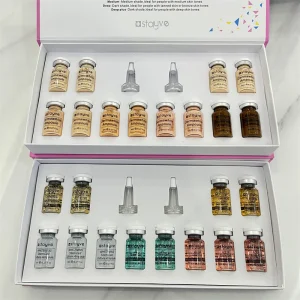
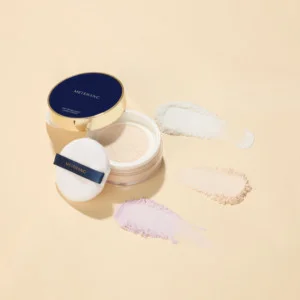
Explore our extended range of liquid foundations, CC creams, loose powders, and specialized cosmetic starter kits.